World
Tokyo and Manila Broke a 59-Year Arms Freeze
Takaichi's Cabinet abolished Japan's lethal arms export ban on April 21. Manila signed the first agreement under the new rules two weeks later, the day before a Type 88 missile sank a decommissioned Philippine corvette used as a target in the Luzon Strait.
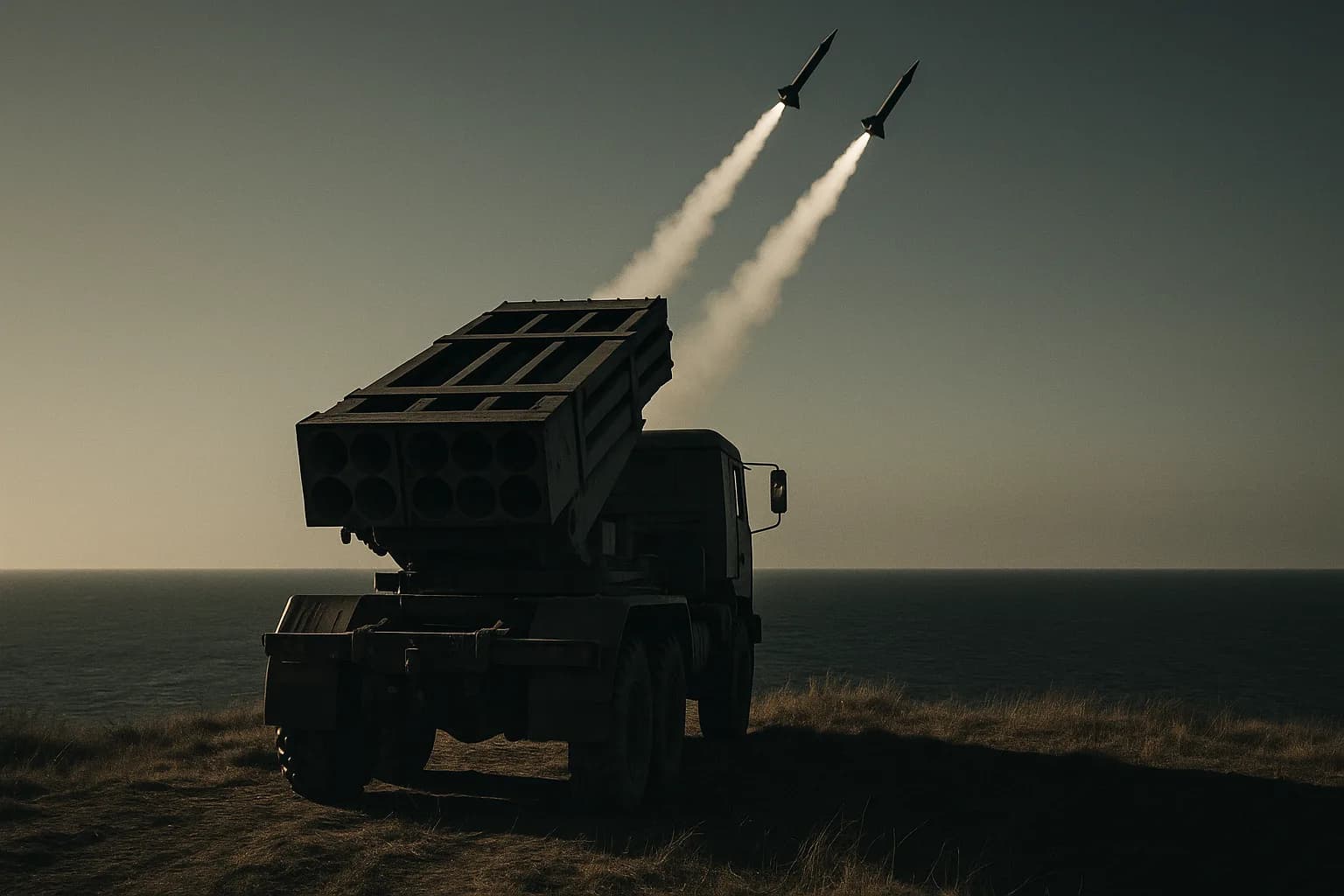
A Japanese Type 88 missile sank BRP Quezon in the Luzon Strait on May 6, the first offensive round Japan had fired on foreign soil since 1945. The day before, Tokyo and Manila had signed the first defense agreement under Japan's newly revised lethal-weapons export rules.
Defense Minister Koizumi Shinjiro and Philippine Defense Secretary Gilberto Teodoro signed in Makati City. The agreement commits Tokyo to early transfer of Abukuma-class destroyer escorts and TC-90 maritime patrol aircraft. How many of each remains for the new bilateral working group to decide.
BRP Quezon (PS-70) had been decommissioned and positioned roughly 75 kilometers offshore for Balikatan 2026. Two Type 88 rounds struck it at 10:30 a.m.; the hull sank within six minutes. More than 17,000 personnel from seven nations were participating.
Japan's six Abukumas were commissioned between 1989 and 1993, each displacing roughly 2,000 tons. Tokyo proposes a donation transfer, pending domestic legislation not yet tabled; Koizumi has said he aims for delivery as early as 2027.
Fifty-Nine Years of Restraint
Japan's postwar arms restrictions date to 1967, when Prime Minister Sato Eisaku's Cabinet banned weapons sales to communist states, nations under UN sanctions, and active combatants. Prime Minister Shinzo Abe revised the framework in 2014, permitting limited non-lethal exports under National Security Council case-by-case review.
Australia's April 18 Mogami frigate contract, Japan's largest postwar defense export at A$20 billion, was signed under that 2014 case-by-case mechanism, with terms agreed the previous August. Three days later, Takaichi's Cabinet abolished the remaining ceiling on April 21, naming 17 partner nations, the Philippines explicitly among them, eligible for full lethal-hardware transfers without individual NSC approval.
On May 15, Defense Minister Koizumi confirmed Tokyo was studying a Type 88 transfer to Philippine ground forces. The ministry is weighing export from current Ground Self-Defense Force inventory, as Japan plans to retire the Type 88 for a newer system.
Manila's four guided-missile frigates, all commissioned since 2020, are its modern surface force, but the fleet carries no shore-based anti-ship strike. Against a PLAN that exceeds 400 surface vessels, the Abukuma and Type 88 transfer package would materially extend the deterrence envelope, once the working group sets a count.
Folding the Philippines into a standing 17-nation transfer framework converts an ad hoc patronage relationship into a supply arrangement. Every subsequent hardware request from Manila is a procurement decision under standing authorization.
Watch the Type 88 transfer study Koizumi confirmed on May 15. If NSC approval comes within months rather than a year, standing authorization for 17 named partners has done what the April 21 revision promised. Australia's Mogami deal, terms to signature, ran eight months.