World
Idaho Curtailed 6,000 Aquifer Users Over a 1900 Right
A 2024 settlement was supposed to spare Eastern Snake Plain Aquifer pumpers from curtailment. IDWR Director Mathew Weaver's May 14 order proves it doesn't hold in drought years.
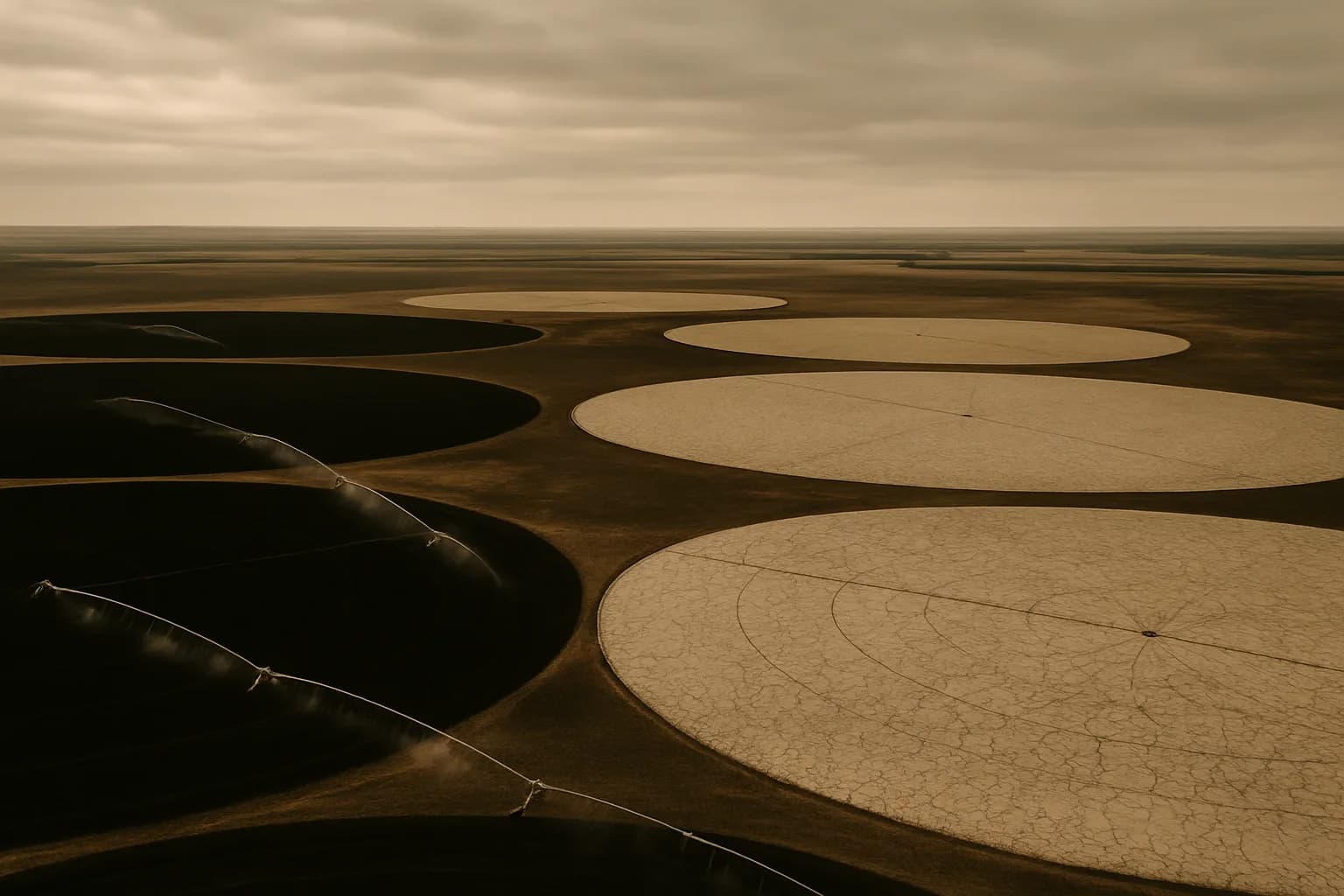
Idaho's water director ordered curtailment of roughly 6,000 aquifer pumpers on May 14, citing a 181,600 acre-foot projected shortfall at senior canal companies.
Twin Falls Canal Co. and American Falls Reservoir District No. 2 hold senior rights dating to October 11, 1900. Twin Falls is owed 137,700 acre-feet; American Falls, 43,900. The combined shortfall translates to roughly 1,210 acre-feet per day across the five-month irrigation window.
The Eastern Snake Plain Aquifer moves roughly 7.5 million acre-feet annually through basalt formations under the Snake River Plain. About one-third of the three million acres of irrigated farmland in the valley draws from wells rather than canals.
Dry Year, Thin Buffer
A U.S. Bureau of Reclamation forecast issued April 2 put Snake River inflow at the Heise gauge at 70% of average for April through July. IDWR Director Mathew Weaver's April 16 methodology order translated that number into an injurable shortfall; the May 14 final order triggered curtailment.
The aquifer arrived at the 2026 season already thin. Managed recharge this winter returned 108,000 acre-feet, roughly 31% of the 350,000 acre-feet annual target the Idaho legislature set in 2025.
Who Is Protected, Who Is Not
Groundwater users with IDWR-approved mitigation plans are shielded from the order. The 2024 Stipulated Mitigation Plan covers nine organized groundwater districts, including Bingham Ground Water District's 140,000-plus acres. A&B Irrigation District, the Coalition of Cities, and Southwest Irrigation District hold separate approved plans.
Junior pumpers without any approved plan face mandatory shutoffs. The Surface Water Coalition filed its original delivery call against ESPA groundwater users in January 2005. A 2024 settlement was supposed to make annual curtailment orders unnecessary by requiring groundwater districts to fund managed recharge in exchange for protection.
A recharge season returning 108,000 acre-feet against a 350,000 target exposes the 2024 settlement as contingent on wet years. When inflows fall to 70% of average, managed recharge cannot cover what senior canal holders are owed.
The order's footprint spans several hundred thousand acres of Snake River Plain farmland, most of it now shielded by organized district mitigation plans. Individual irrigators outside any district plan remain exposed, with no canal backup. If the July follow-on holds through September, it reaches Idaho's potato harvest: 32% of U.S. production, roughly $4 billion annually, on ground with no alternate supply.