World
Hormuz Is Mined. The Deal Won't Open It.
Trump called the ceasefire 'massive life support' on May 11 after rejecting Iran's terms. The mines Iran can no longer locate guarantee the strait stays closed regardless of what gets signed.
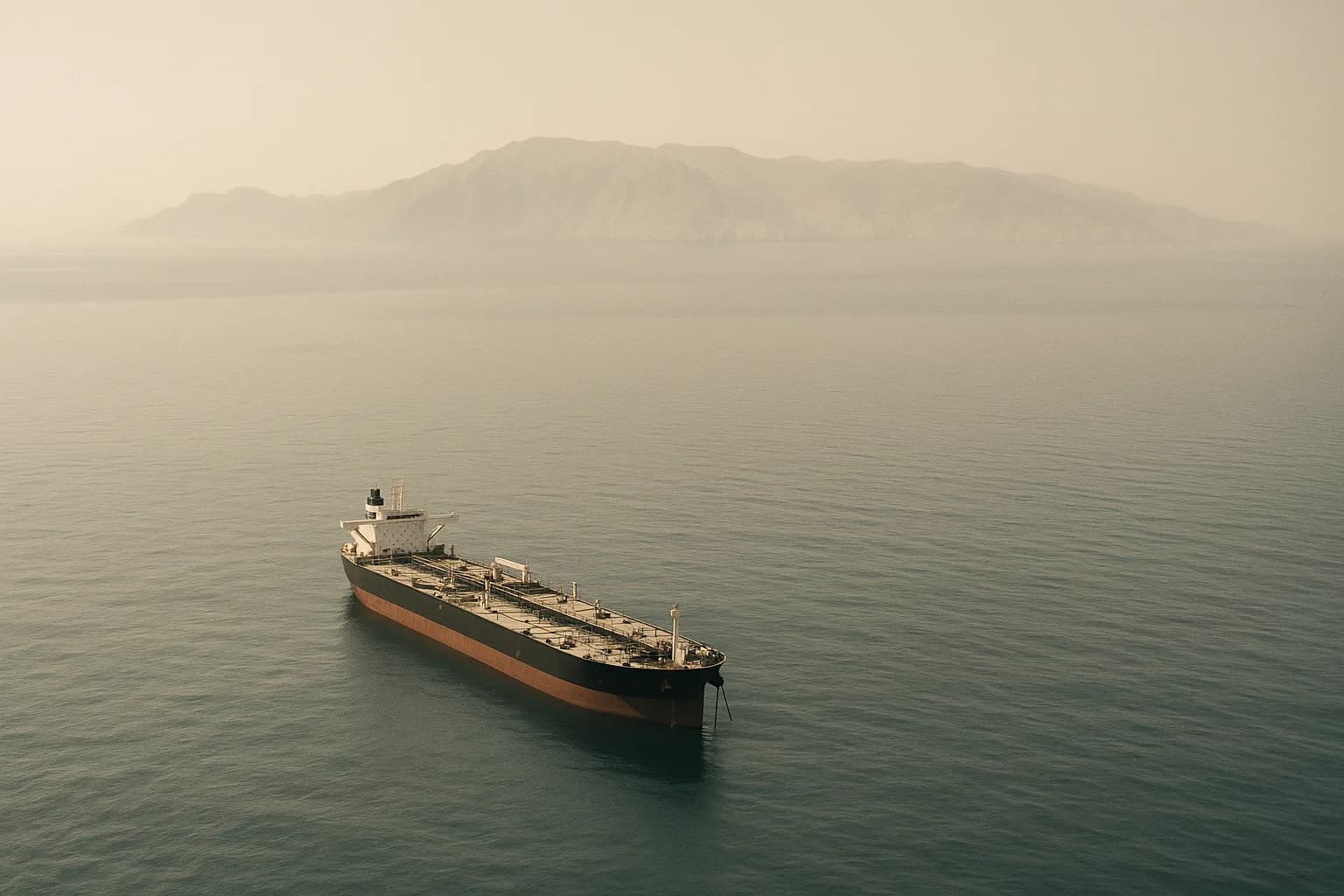
The Strait of Hormuz shut on February 28, when IRGC forces mined it after US and Israeli airstrikes killed Ali Khamenei.
Before that date, roughly 178 ships transited the strait each day, carrying about 20 million barrels of oil, about a fifth of global seaborne crude. By early March, transits reached near zero. A Kpler snapshot from March 2 counted 984 tankers stranded in the broader Middle East region, about 22% of the global tanker fleet, including 77 VLCCs.
Finding the Exit
A VLCC sailing from Ras Tanura to Rotterdam via Hormuz and Suez makes the round trip in 35 to 45 days. The Cape of Good Hope detour adds 10 to 12 days per leg.
At the VLCC daily charter rate of $180,000 that marked the crisis peak, an extra 12 days costs about $2.2 million in hire alone. War-risk insurance for a $100 million hull moved from roughly $250,000 per transit to between $1 million and $5 million. The additional fuel burn for 10 extra days adds between $600,000 and $900,000.
The total surcharge on a single Gulf-to-Europe voyage: roughly $5 to $8 million above the pre-February baseline.
Bangchak Corporation, a Thai refiner, obtained Iranian clearance in late March to move one tanker through a brief window Iran allowed "friendly" nations to transit. The toll exceeded $1 million per ship; a second Bangchak vessel waited at anchor.
Saudi Arabia diverted crude through its East-West Crude Oil Pipeline to Yanbu. The UAE routed flows through its Abu Dhabi Crude Oil Pipeline to Fujairah. Combined, those two pipelines carry about 9 million barrels per day, less than half what the strait normally moves.
The Ceasefire Math
Pakistan brokered a temporary ceasefire beginning April 8. Iran used the pause to charge tolls exceeding $1 million per vessel; 15 ships passed in the truce's first two days.
The US Navy blockaded Iranian ports on April 13 and struck the Iran-flagged cargo vessel Touska on April 19. Operation Project Freedom, a Navy escort mission, launched May 4. Trump paused it May 6, citing progress toward an agreement.
US and Iranian forces exchanged fire in the strait on May 7. Iran sent its response to the US framework proposal on May 8. Trump rejected it as "totally unacceptable" and described the ceasefire as on "massive life support" on May 11.
No commercial transit has been recorded since May 4. The uranium enrichment moratorium remains the sticking point: Iran offered 5 years, the US demanded 20.
The Clearance Problem
US officials told the New York Times on April 11 that Iran lost track of its mine locations, planted by small fast boats in the dark without systematic position recording. The US estimated clearing the strait takes approximately six months once operations begin.
The six-month clearing estimate points to a reopening no earlier than late 2026. The ceasefire required to begin mine-clearing has not held.
Watch for minesweepers at the strait's entrance. Their presence signals a ceasefire has held long enough for mine-clearing to begin. As of May 11, Trump described the truce as on "massive life support."