World
CMOC Is Sitting on 89,000 Tonnes It Cannot Ship
The DRC capped cobalt exports at 96,600 tonnes while CMOC mines 120,000. CATL's 25% stake in KFM Holding, the Kisanfu vehicle, bought an offtake claim that now runs through a government-controlled export window it had no hand in setting.
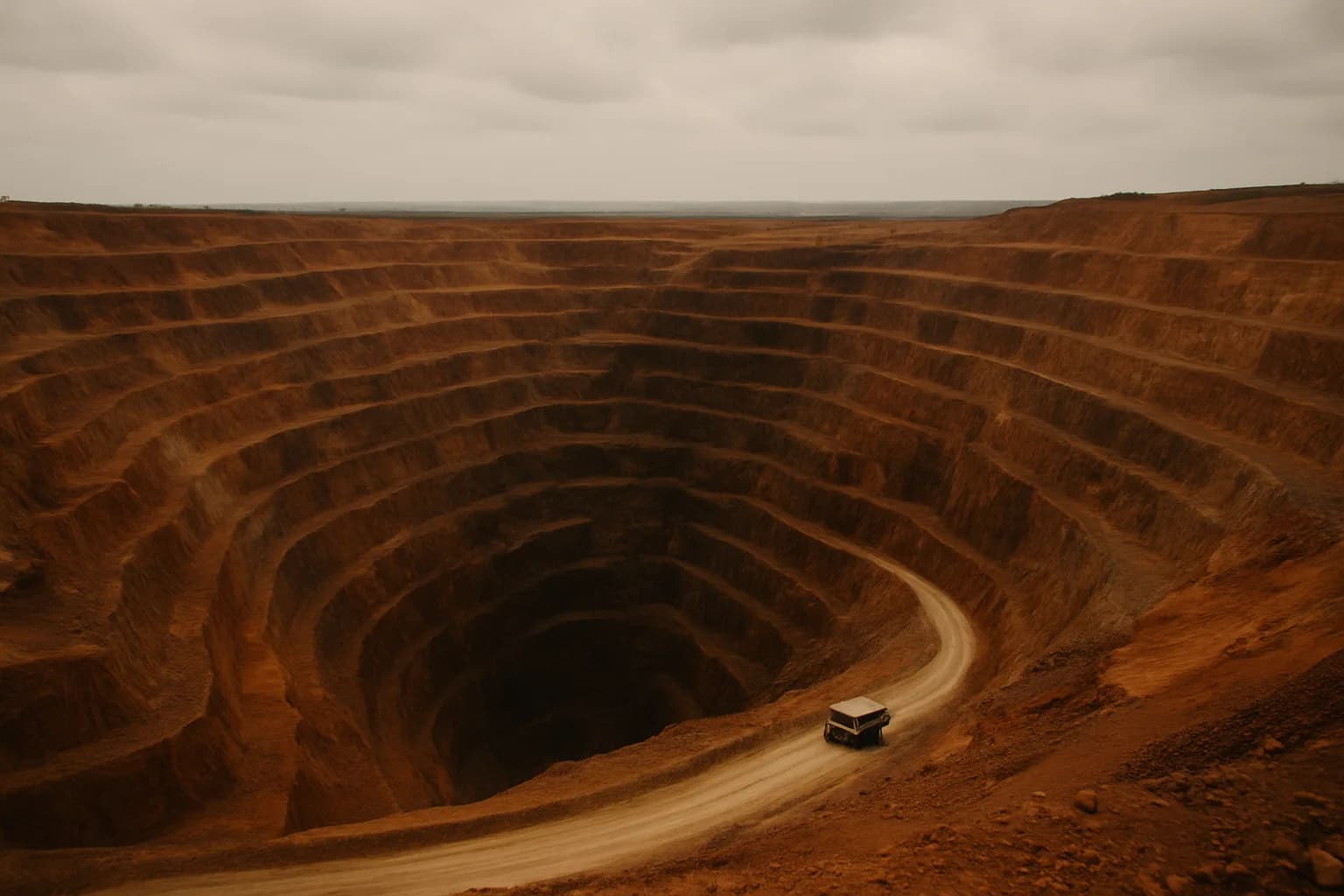
The DRC's cobalt export quota, effective late 2025, capped annual shipments at 96,600 metric tonnes, roughly half the 2024 total.
CMOC, the world's largest cobalt producer, mined 117,549 tonnes from its two DRC concessions last year and targets up to 120,000 in 2026. Its export entitlement for all twelve months, set by ARECOMS under a December 2025 interministerial circular covering both Tenke Fungurume and the Kisanfu mine, is 31,200 tonnes. On those numbers, roughly 89,000 tonnes accumulates in DRC warehouses.
The 31,200-tonne figure represents 27% of the national cap. CMOC's production alone exceeds the entire cap, so the entitlement cannot track output share. ARECOMS negotiated company-level allocations with each major producer, but the DRC has not published the weighting formula. Glencore received 22,800 tonnes, including 2025 carryover. Smaller operators share the remainder.
Glencore's Q1 2026 production report showed cobalt output down 39% year-over-year to 5,800 tonnes. Mutanda, its second Congo mine, produced zero against 2,900 tonnes a year earlier. The report stated African assets are now "prioritizing copper production."
Cobalt traded at $56,290 per metric ton on May 19, roughly 67% above its year-ago level, and well above the $22,000-tonne floor that held through much of 2025.
The CATL Position
CATL's subsidiary Ningbo Brunp CATL New Energy holds 25% of KFM Holding Limited, CMOC's vehicle for the Kisanfu mine. A joint 2021 announcement confirmed offtake is "proportionate to respective ownership," placing CATL's annual cobalt claim from Kisanfu at roughly 15,000 to 17,000 tonnes.
CATL's domestic China sales lean heavily toward LFP, the cobalt-free chemistry that now accounts for roughly 70% of China's EV market. But CATL also holds roughly 73% of China's ternary NMC battery market, per industry capacity trackers. These cells supply high-performance EVs and international automakers, where cobalt-bearing chemistry remains standard. The Kisanfu stake was acquired in 2021 specifically to anchor that segment's supply chain.
This closes off the most natural reading of the 2021 deal: mine equity converting to export supply on a one-for-one basis. CATL's Kisanfu offtake runs through CMOC's 31,200-tonne export window for both DRC mines. That window is ARECOMS's to grant, and it is not sized to CATL's stake or CMOC's production.
Unused Q1 2026 allocations must ship by June 30 or revert to the national strategic reserve. If CMOC falls short on any quarterly entitlement, its annual ceiling narrows further. The June 30 reversion date is the first hard test of what $137.5 million in Kisanfu equity delivers at the border.