World
Congo's Cobalt Quota Keeps 89,000 Tonnes From Leaving
CMOC produced 30,510 tonnes of cobalt in Q1 2026 and sold 1,990. CATL's 23.75% Kisanfu stake entitles it to roughly 19,000 tonnes per year; under the DRC's quota formula, it can export about 4,800 of them.
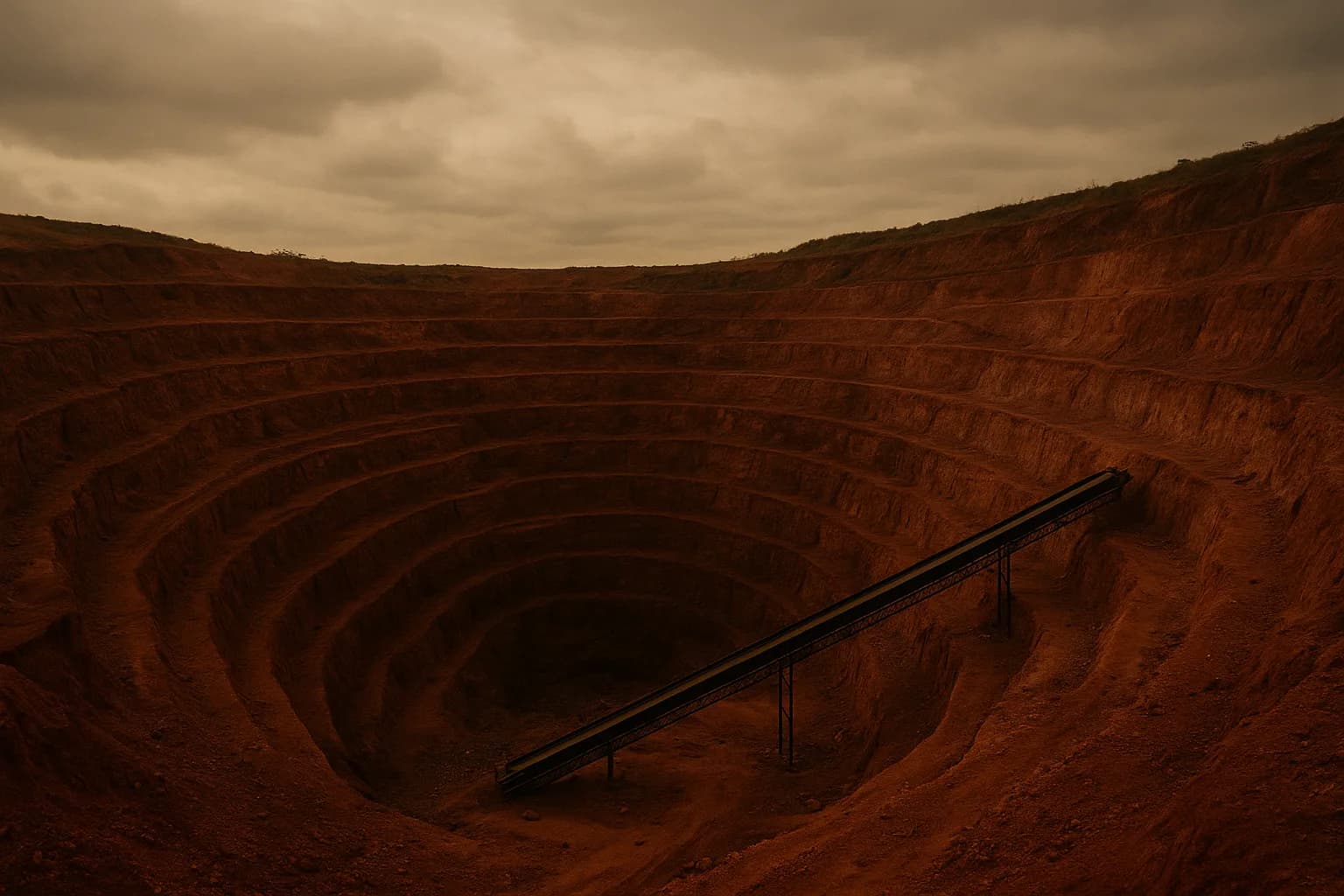
CMOC produced 30,510 tonnes of cobalt in the first quarter of 2026 and sold 1,990. The 28,520-tonne quarterly gap accumulates inside the DRC at $57,320 per metric tonne.
The 91.79% year-on-year sales collapse reflects the DRC's quota system, imposed in stages since February 2025. Kinshasa froze exports outright that month, then replaced the ban in October with a 96,600-tonne annual ceiling across all producers.
How the Quota Works
ARECOMS, the DRC's mining regulator, distributes that ceiling among producers and holds buyback authority over any output exceeding a company's allocation. The DRC controls more than 70% of global mined cobalt supply.
CMOC holds 31,200 tonnes of the ceiling. Glencore's combined Kamoto Copper Company and Mutanda assets hold 22,800; Eurasian Resources Group, 40% Kazakh-owned, holds 12,325.
Three Responses to the Cap
Glencore took the ceiling at face value. Its Q1 2026 cobalt output came in at 5,800 tonnes, annualizing to roughly 23,200, nearly flush with its 22,800-tonne annual quota. The company had already shifted KCC and Mutanda to a copper-first regime; African copper cathode output jumped 68% in the same quarter.
Eurasian Resources Group pre-positioned. It cut cobalt hydroxide output 70% in 2025 to 5,700 tonnes, compressing its base to leave room for roughly double that within its 12,325-tonne 2026 quota.
CMOC's January 16 exchange filing guided 2026 cobalt output to 100,000-120,000 tonnes. The filing noted cobalt is a byproduct of copper operations at both DRC mines, making curtailment structurally difficult regardless of export clearance.
What the Stake Doesn't Cover
CATL paid $137.5 million in 2021 for a 23.75% stake in KFM Holding, the entity that owns Kisanfu, securing proportionate offtake of cobalt and copper production. CMOC described the deal as positioning itself as "a long-term cobalt supplier to the world's largest power battery manufacturer."
KFM's Phase 1 nameplate was 30,000 tonnes of cobalt per year when the mine opened in 2023. CMOC has run above nameplate throughout its ramp at both DRC operations.
By Q1 2026, combined DRC cobalt output was running at roughly 122,000 tonnes annualized. KFM accounts for approximately 65% of that by quota allocation, a current rate near 80,000 tonnes per year. CATL's 23.75% proportionate entitlement from that output is roughly 19,000 tonnes annually.
CMOC's export quota covers both mines, totaling 31,200 tonnes for 2026. The Q4 2025 allocation split 4,250 tonnes to Kisanfu and 2,250 to Tenke Fungurume, a 65/35 ratio. At that ratio, CATL's exportable share of its 19,000-tonne entitlement is roughly 4,800 tonnes.
The remaining 14,200 tonnes are ARECOMS's to price at an undisclosed rate, worth roughly $814 million at current spot. Whether the regulator pays near-spot or only enough to cover production costs is publicly unknown.
In Q1 alone, CMOC accumulated 28,520 unsold tonnes: more cobalt than CATL's full-year Kisanfu entitlement, stranded in a single quarter.
The quota converts CATL's $137.5 million supply anchor into a procurement exposure. Roughly 14,200 tonnes of its annual entitlement goes instead to a DRC state pool at a price ARECOMS sets alone.
Unlike China's rare earth licensing framework, which preserved a review-and-pause structure Beijing exercised last November, Congo's quota carries no published review mechanism.
CMOC has a June 30 deadline to draw down its Q1 allotment. If cobalt inventory surfaces on Q2 earnings without a quota expansion from Kinshasa, the $814 million CATL entitlement gap becomes a disclosed liability.