Tech
The Pause Didn't Lift the Controls Stalling Optimus
China suspended its second wave of rare earth export controls in November, not its first. Tesla told investors it is seeking a magnet license; the first grants went to Chinese manufacturers and U.S. automakers' suppliers.
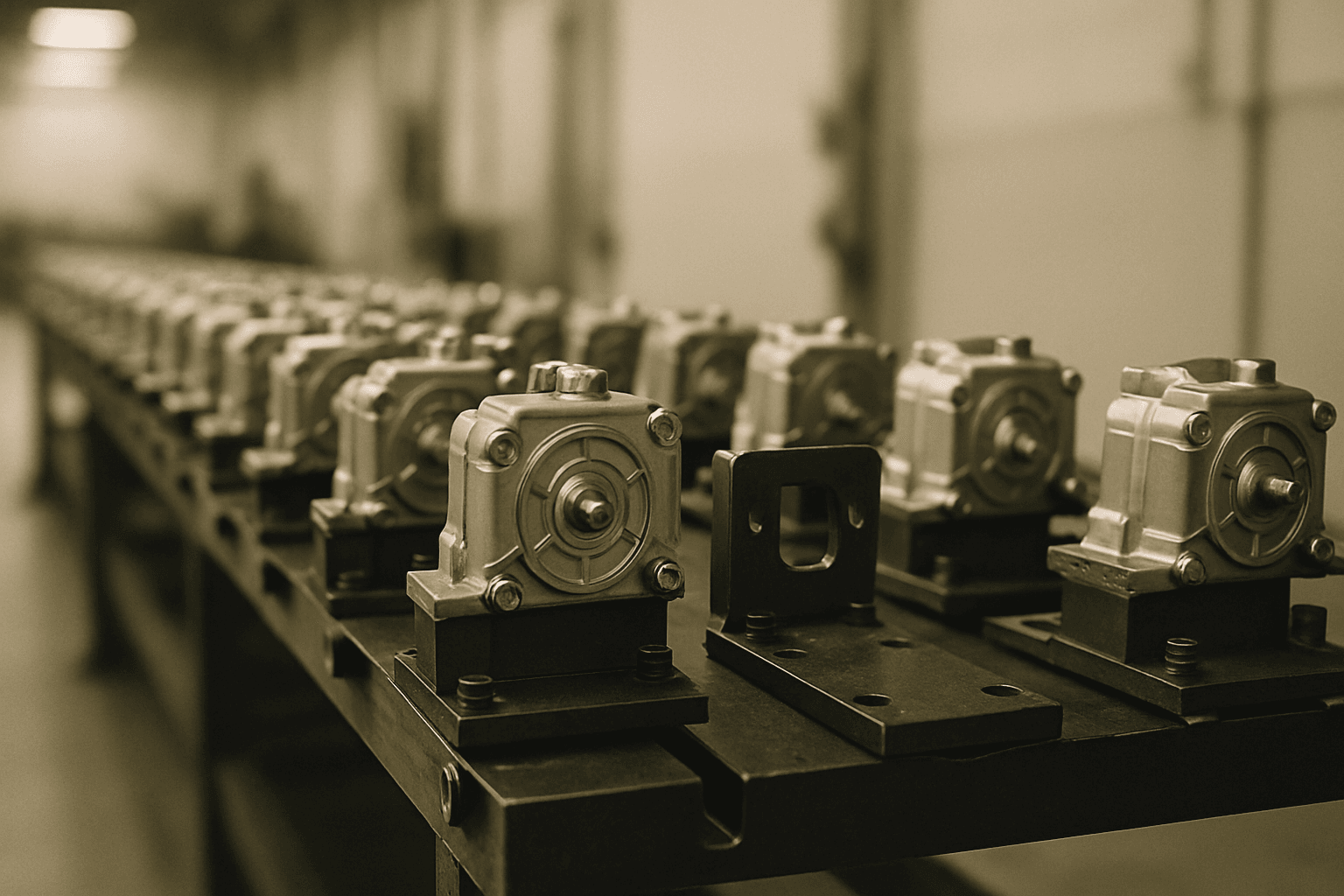
On April 22, 2025, Elon Musk told investors that Optimus production had a "magnet issue." China had just required export licenses for the rare earth permanent magnets its arm motors run on, under MOFCOM Announcement No. 18, issued eighteen days earlier.
China escalated in October 2025, issuing six more announcements expanding controls to downstream magnet products. On November 7, Beijing suspended that second tranche until November 10, 2026, framing the pause as a reduction in bilateral tension. The April requirement kept running.
The first license grants, issued in June 2025, went to rare earth suppliers serving GM, Ford, and Stellantis; Tesla's suppliers were not in that round. China's December 2025 general licenses named three Chinese magnet manufacturers, JL Mag Rare Earth, Ningbo Yunsheng, and Beijing Zhong Ke San Huan, for named downstream buyers over one year. No Western robotics firm appeared in either batch.
What China Actually Holds
China mines 69.2% of global rare earths and processes roughly 90% of global output. It manufactures 93% of the world's permanent magnets, per Morgan Stanley and CSIS analyses. Each humanoid robot requires roughly 40 electric motors and approximately 0.9 kilograms of neodymium-praseodymium content per unit, per Oceanwall's supply chain analysis.
MOFCOM No. 18 covers metals, alloys, compounds, and mixtures of the seven listed elements, not finished goods that incorporate those elements as components. Filing for a license falls on whoever crosses the Chinese border with those inputs. Unitree and Agibot assemble robots domestically and export under a general-machinery tariff line, never touching the licensing queue.
Who the Controls Miss
In 2025, Unitree shipped 5,500 humanoid robots and Agibot 5,168, sourcing actuator components from China's domestic supply chain. Tesla, Figure AI, and Agility Robotics each shipped roughly 150 units. Morgan Stanley forecasts 28,000 humanoid units from Chinese manufacturers in 2026, up 133% year-over-year.
On that same April 22 call, Musk said Tesla was "working through" the licensing process with China and hoped to "get a license to use the rare-earth magnets." For companies outside the domestic loop, many applications have exceeded 60 to 120 days without a decision, with no statutory review period to force resolution.
Thirteen months of grant data reveal the licensing regime's operating logic. Chinese manufacturers received general licenses first; domestic suppliers for GM, Ford, and Stellantis came next. A company building humanoid robots outside China's domestic supply chain files for the input and waits while its competitors ship the finished product.
MP Materials' Q2 2026 earnings call lands August 6. Watch whether the Fort Worth Independence line has reached 3,000 metric tons per year of NdFeB magnet output. If it hasn't before November 10, the second-wave controls resume with no domestic alternative at scale.