Business
Mexico's June Blockade Threat Runs on Two Fronts
ANTAC listed four structural demands when it walked out April 10; FNRCM marched alongside with a different list. Interior cannot satisfy both with one deal before June 11.
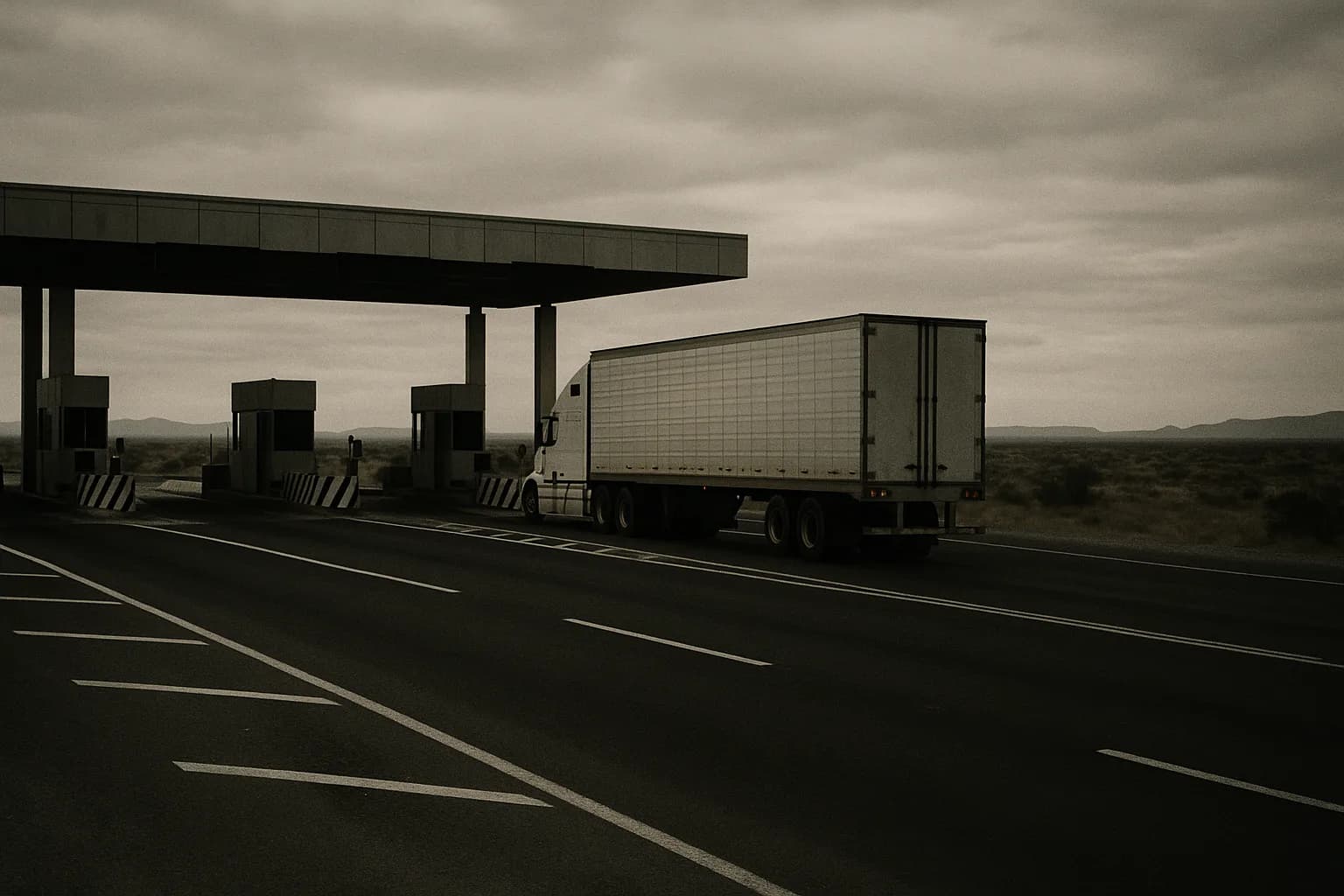
Mexico's truckers walked out of Interior Secretariat talks on April 10, five days after blocking freight in 21 states, and named June 11 as their next mobilization.
With diesel at nearly 30 pesos per liter, elevated since the Hormuz closure, ANTAC put IEPS excise tax elimination at the top of its four demands. The other three: National Guard deployment at roadside stops, a specialized highway crime prosecutor, and direct talks with President Claudia Sheinbaum. Interior Minister Rosa Icela Rodríguez offered working groups; ANTAC president David Estévez Gamboa called the April 6 closure a "pilot test" and walked.
FNRCM, the agricultural front that marched alongside ANTAC, carries separate grievances: grain payment arrears and opposition to proposed water law changes. Both fronts had signed a joint mobilization letter in February 2026 and departed the Segob building together on April 10. An accord that satisfies ANTAC's four demands leaves the agricultural debt unpaid.
During the November 2025 closure, Chihuahua employer groups put corridor losses at $25.8 million per hour at the Juárez-El Paso crossing. FreightWaves counted $1.45 billion in unrealized exports at that crossing before the wave subsided. C.H. Robinson's April 2026 cross-border update counted ten consecutive monthly declines in Mexican automotive shipments entering the April 6 shutdown.
The December Playbook
During that December wave, Juárez-area maquiladoras chartered aircraft at $70,000 to $90,000 per flight, carrying 16 pallets of auto parts per run. At least one flight carried 40 tons of assembled goods. Marcelo Tovar Vazquez, regional director of Mexico's National Association of Importers and Exporters, documented the practice.
Aptiv's Ciudad Juárez plant and BorgWarner's Juárez complex, both supplying U.S. assembly lines on just-in-time schedules, would face the same charter arithmetic if June 11 closes the corridor. Charter costs enter maquiladora books as operating expenses, not as declines in export tallies.
The two-front exit on April 10 points to a structural problem with any late-May deal: FNRCM's water law and grain-payment demands sit outside anything Interior can offer ANTAC. ANTAC's IEPS demand is a federal budget concession the government has resisted across three blockade waves. Interior needs two separate agreements before June 11, and it has not started either.
If talks don't move by May 31, June 11 is the next closure date for a corridor that has not stayed open for more than seven consecutive weeks since November.