Business
Canada's HIMARS Deal Was Signed Before Ottawa Said Buy Canadian
In January 2026, Ottawa formally committed to a $2.4 billion purchase of American-made rocket systems. Weeks later it published a "buy Canadian" defense strategy. The Pentagon named Canada as a customer on April 29 anyway.
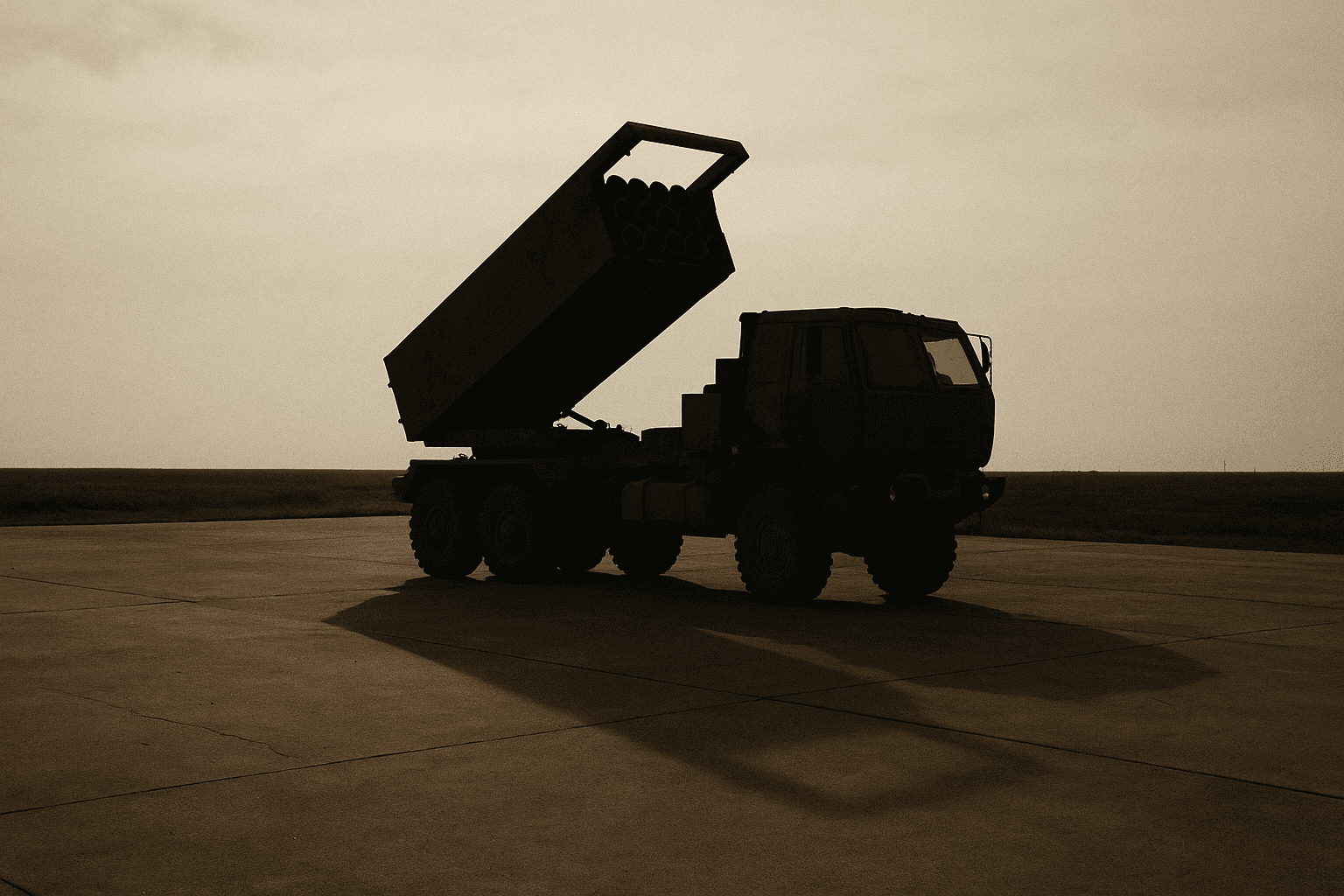
A Pentagon contract notice posted April 29 listed Canada among foreign buyers of M142 HIMARS rocket launchers, making public a commitment Ottawa had chosen not to announce.
The $1.13 billion Lockheed Martin award covers Production Lot 17 for the U.S. Army, Marine Corps, and five Foreign Military Sales partners: Australia, Canada, Estonia, Sweden, and Taiwan. Per-country quantities are undefinitized, to be set as orders are placed, with work completing by April 2028. Lot 17 covers launcher hardware; Canada's full $2.4 billion commitment adds GMLRS and ATACMS munitions, training, and contractor logistics support across its 26-system order.
The Withdrawn Statement
Canada's formal purchase paperwork was signed in January 2026, according to Dave Perry, president of the Canadian Global Affairs Institute. Two sources told CBC News the Liberal government drafted a public announcement around that time and then withdrew it.
The withdrawal came weeks before Ottawa published its defense industrial strategy in February. That strategy pledged to lift domestic procurement from 33% to 70% of defense spending by 2035. Prime Minister Mark Carney said Canadian security "can't be a hostage" to any single supplier.
The U.S. State Department approved the possible sale in October 2025. Lt.-Gen. Mike Wright, Army Commander, called HIMARS "the long-range precision strike system that we need," citing its record in Ukraine. Perry called the sequencing "a concrete contradiction" between Carney's spending-ratio pledge and Ottawa's actual procurement choices.
Ottawa's "buy Canadian" strategy amounts to a commitment it can only partly keep: formal FMS paperwork clears the U.S. contracting system on American timelines. The Pentagon's daily list does not hold for a Canadian press strategy.
The Delivery Queue
The Estonia detail changes the math on Canada's delivery schedule. Hegseth paused HIMARS munitions to Estonia on April 20, citing Iran campaign requirements, and Estonia is in the same April 29 production contract. The campaign's claim on U.S. precision supply, already visible in the PATRIOT GEM-T orders, now extends to the rocket artillery queue Canada just joined.
Canada's supplementary defense estimates, expected before Parliament in June, must carry the $2.4 billion as a line item. That is when Ottawa will need to explain, in a Canadian document, a purchase the Pentagon described first.