Tech
Starlink Has 10M Subscribers and a Widening Replacement Gap
Starlink crossed 10 million subscribers in 2025 on revenue per user that fell 18% to $81 a month, a decline SpaceX expects to continue. Hardware replacement at $400,000 per satellite runs $80.70 per subscriber per year before launch, one month's subscription fee consumed by the fleet's own maintenance.
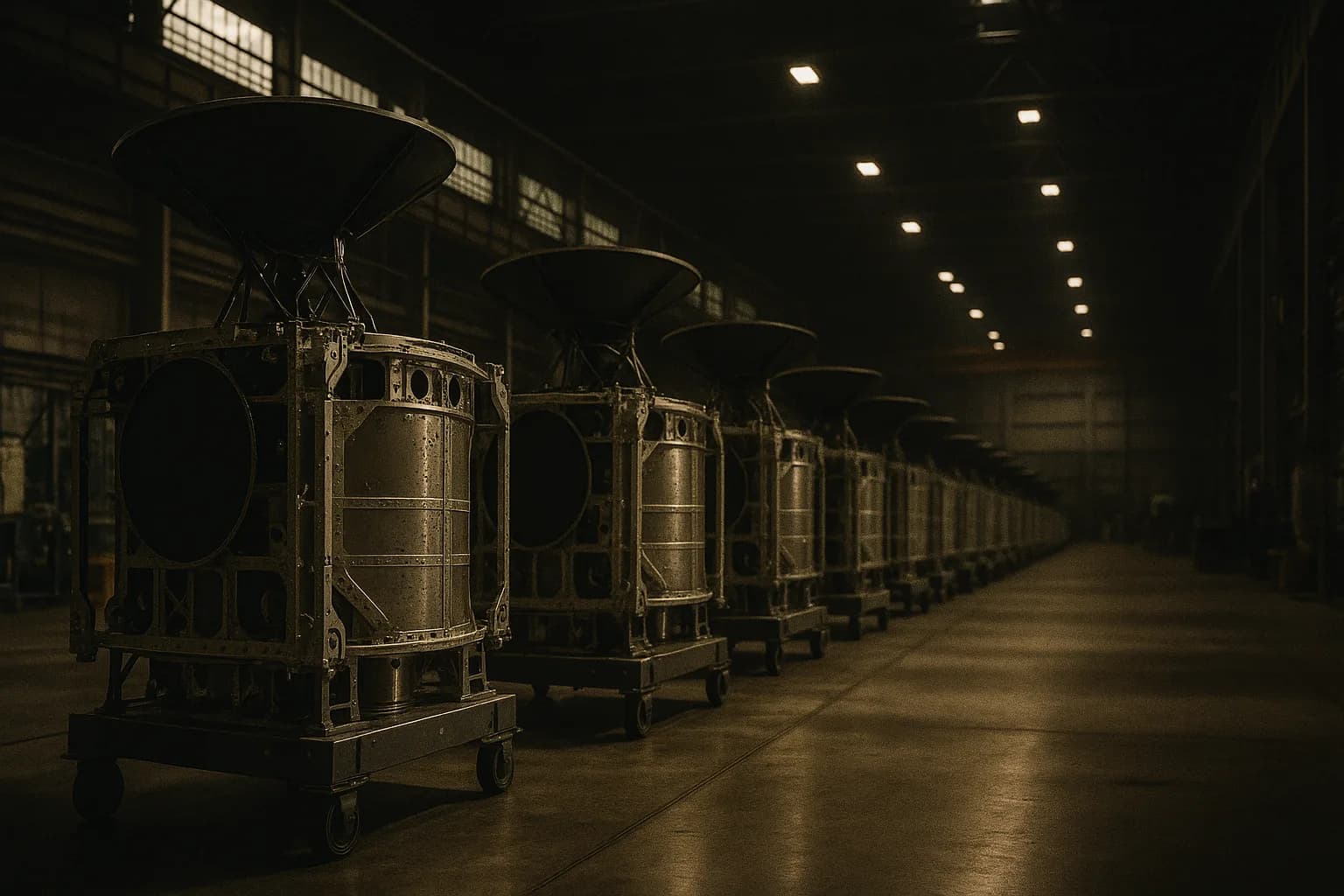
Starlink's revenue per subscriber fell 18% to $81 a month in 2025 as its customer base crossed 10 million, The Information reported April 29.
ARPU stepped down from $99 in 2023 to $91 in 2024 to $81 in 2025. SpaceX drove the decline through cheaper tiers including Roam and Mini, and localized pricing across Africa, Asia, and Latin America. The company expects the trajectory to continue as international expansion accelerates.
The constellation serving those subscribers counted 10,087 operational satellites in late March, with 11,612 launched since 2019. At least 1,556 have deorbited or failed, a 13.4% cumulative attrition rate.
New Space Economy estimates V2 Mini manufacturing at $400,000 per unit at production volume. Divided across 10 million subscribers, the fleet's $4 billion in hardware runs to $403 per subscriber. At a five-year design life, steady-state replacement requires 2,017 satellites a year at $807 million.
That is $80.70 per subscriber per year, one month's subscription fee, before launch. SpaceX's trailing-12-month launch cadence covers roughly 730 replacements per year, 36% of the steady-state need.
SpaceX announced in January 2026 that it would move 4,400 satellites from 550 to 480 kilometers, citing a December 2025 debris incident and a near-miss with a Chinese satellite. Analysis from NASA Space News puts the reduction in ballistic decay time at 80%, compressing the passive-deorbit window from four-plus years to a few months.
Fortune's May 16 reporting puts Starlink's 2025 profit at $4.4 billion, more than double the prior year. SpaceX's planned IPO targets $1.75 trillion for the merged SpaceX-xAI entity and a raise of up to $75 billion. That combined entity lost $4.9 billion in 2025; xAI's $6.4 billion in losses offset Starlink's profit in full.
The descent to 480 kilometers closes off a deferral the replacement schedule depended on. The 80% reduction in ballistic decay time eliminates the four-year passive-decay window SpaceX relied on to carry a 36% replacement-launch coverage rate. Hardware that might have awaited its place in the queue now demands a launch slot within months.
The first SpaceX prospectus will need to state a satellite-life assumption at 480 kilometers. If lower altitude shortens that to four years, annual manufacturing replacement rises from $807 million to roughly $1 billion. No published analyst estimate for the planned $1.75 trillion offering includes that adjustment.