Tech
Pennsylvania's New Large-Load Tariff Runs Into PPL's 2030 Queue
PPL's 28.3 GW pipeline, most of it scheduled for 2030 or later, shows what solving 'who pays' does not solve.
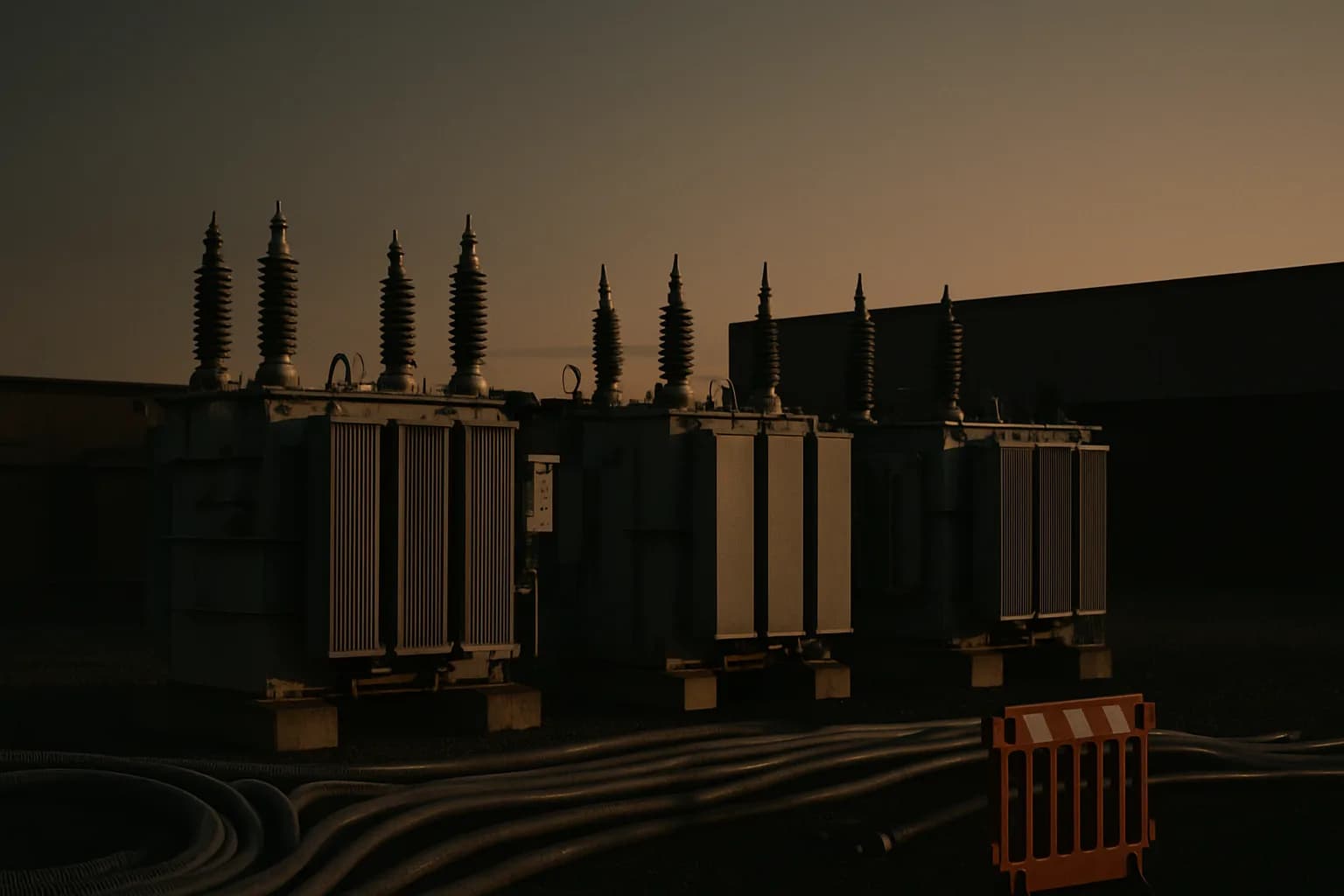
Pennsylvania's utility commission released its final order on May 13, requiring data centers above 50 MW to fund their own transmission upgrades before construction can begin.
The Public Utility Commission's model tariff applies to every electric distribution company in the state. It codifies the cost-responsibility principle PPL Electric had already built into its own rate case settlement. That settlement, filed March 13, takes effect July 1 and requires security deposits equal to the full upgrade cost for any connection above 50 MW.
CoreWeave is building a $6 billion AI campus at 216 Greenfield Road in Lancaster, Pennsylvania. Blue Owl Capital and Chirisa Technology Parks closed a $4 billion joint venture in August 2025 to own the development; CoreWeave is the anchor tenant. The JV earmarked roughly $200 million for a dedicated PPL substation and switchyard, the same cost category the March settlement now requires of incoming developers. Whether that prior commitment formally satisfies the deposit requirement is a grandfathering question the public record leaves open.
That deposit secured a place in a queue already measured in years. PPL's May 2026 earnings showed an advanced-stage data center pipeline of 28.3 GW by 2034, up 12 percent from the prior quarter, with only 0.6 GW expected online in 2026. The pipeline ramps to 20.7 GW cumulative by 2030; full transmission catch-up is expected in the early 2030s. Active construction contracts include Amazon Web Services, CoreWeave, QTS Data Centers, and PowerHouse Data Centers.
The Route Around the Queue
PPL and Blackstone Infrastructure are developing an unregulated joint venture to build front-of-meter natural gas generation on Marcellus and Utica shale formations. Projects enter PJM's interconnection queue as power plants rather than loads, bypassing the large-load interconnection process the PUC order governs. PPL CEO Vincent Sorgi told investors in May he would be surprised not to announce a Blackstone project before year-end.
The Blackstone route implies that cost assignment and capacity delivery are separate problems. PPL's pipeline runs on fabrication schedules: Wood Mackenzie's Q2 2025 survey put standard power transformer lead times at 128 weeks, substation-scale units at 144. Those schedules are indifferent to regulatory filing dates.
If Blackstone's gas plants deliver power before CoreWeave's Phase 1 energizes in summer 2027, the unregulated generation route outpaced the tariff. If not, the $200 million bought a place in the 2030 backlog.