Tech
Orion Is Under Construction. Net Electrons Are Not.
Helion started building its commercial fusion plant in July 2025 before its prototype demonstrated net electricity, a milestone first promised in 2024. Two years from the Microsoft deadline, the plant's operations director and engineering director are still recruiting.
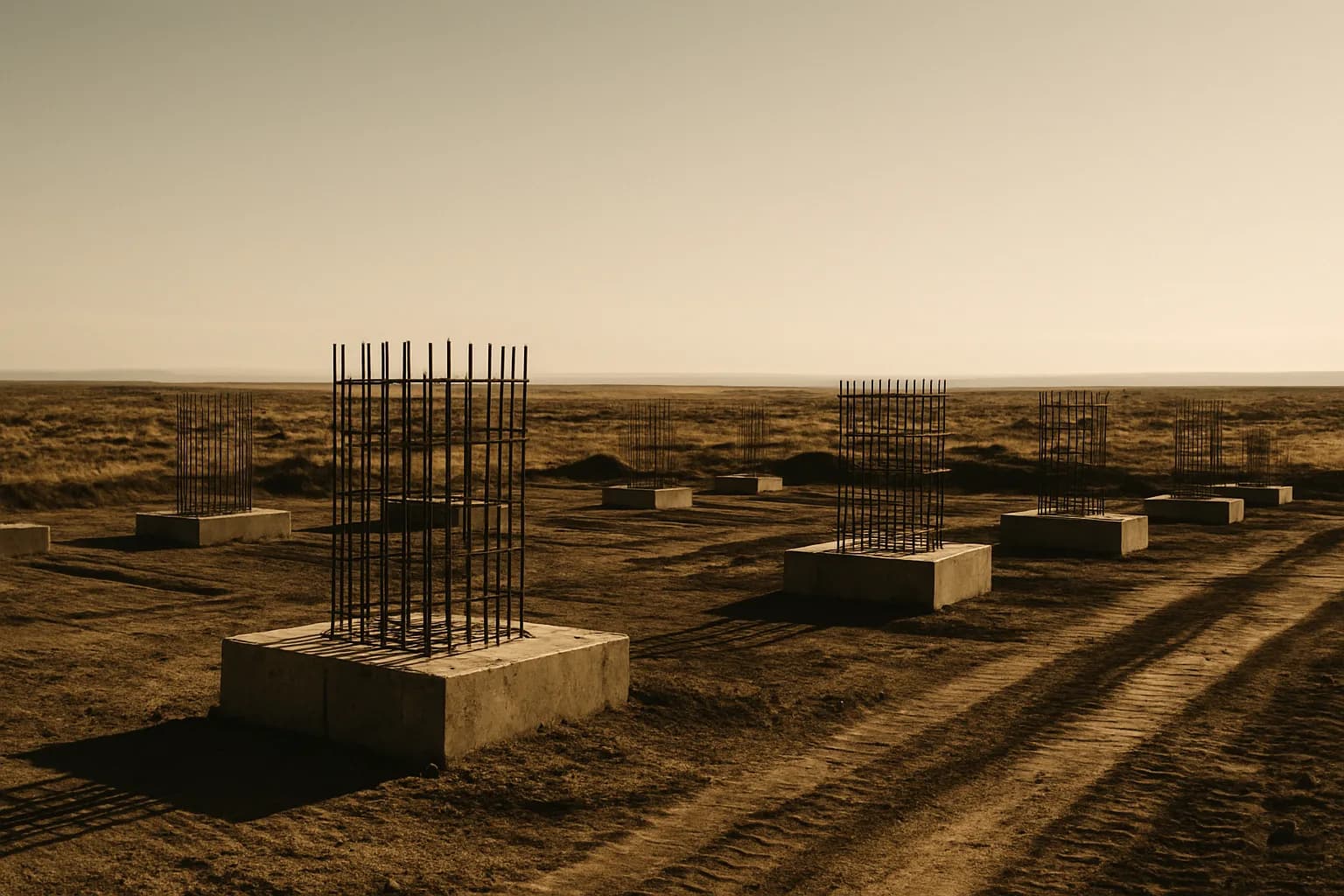
Helion broke ground on Orion, its commercial fusion plant in Malaga, Washington, in July 2025, committed to deliver 50 megawatts to Microsoft by 2028.
The milestone that was supposed to precede construction had not arrived. Polaris, Helion's seventh-generation prototype, reached 150 million degrees Celsius with deuterium-tritium fuel on February 13, 2026, breaking the company's own record. That announcement, like every public update since the groundbreaking, contained no net electricity figure.
The Missed Number
Helion's 2021 Series E closed $500 million immediately and locked $1.7 billion behind undisclosed milestones. The company's own fundraise announcement ran under the headline "Targets 2024 for Demonstrating Net Electricity from Fusion." The named milestone is two years late; the capital has not been drawn.
In July 2025, as ground crews broke soil at the Orion site, a Helion spokesperson told GeekWire the company expected net electricity later that year. No announcement followed.
CEO David Kirtley called the 2028 target "an aggressive milestone" that "is going to be hard." The Microsoft power purchase agreement carries financial penalties if Helion misses the deadline; Kirtley confirmed that in 2023. Neither party has disclosed the dollar amount, the per-megawatt clawback formula, or whether the PPA includes termination rights.
The Fuel Gap
Orion is designed to run on deuterium-helium-3, not deuterium-tritium. The February result reached 150 million degrees, three-quarters of the way to the 200-million-degree commercial target. Helion's announcement stated Polaris "will continue testing to reach optimal temperatures for deuterium-helium-3 fusion," a fuel whose physics the prototype has not yet demonstrated.
What the Hiring Board Says
Helion posted the Director of Fusion Plant Operations on February 28, 2026. The role was still open in May. The listing specifies someone to create "teams, processes, training, culture and standards of excellence required to deploy, commission, test, and operate commercial scale, integrated fusion power plants."
The Director of Fusion Plant Engineering, a parallel hire, is also open. Both report to the CEO. These are foundational hires, not successors to an existing team.
Helion's headcount grew from 277 in late 2024 to roughly 490 by early 2026, adding about 15 people a month. At a $200,000 fully-loaded annual cost per head, payroll now runs close to $100 million a year, not counting Orion construction.
Helion has drawn roughly $977 million across seven rounds. The $500 million immediate tranche from its 2021 Series E and a January 2025 Series F of $425 million account for most of it. The $1.7 billion committed in 2021 has not been drawn.
The open director postings expose a sequencing problem that construction cannot solve. The teams, processes, and commissioning standards those roles are supposed to build take time that the missed net-electricity deadline has already consumed. At three months of open postings and no announced hires, operational readiness is running behind the plant being built to need it.
If Polaris does not demonstrate net electricity by year-end 2026, Helion enters 2027 still solving physics that should have cleared two years earlier. At 30 months to the 2028 deadline, a plant whose director-level hires have not yet been made is not yet a commissioning project.