Tech
Helion's Net Electricity Target Has Missed Two Straight Years
Helion raised $425 million in January 2025 at a roughly $5.4 billion valuation. Net electricity from Polaris, the milestone that proves the core technology, has now slipped two consecutive years with no replacement date.
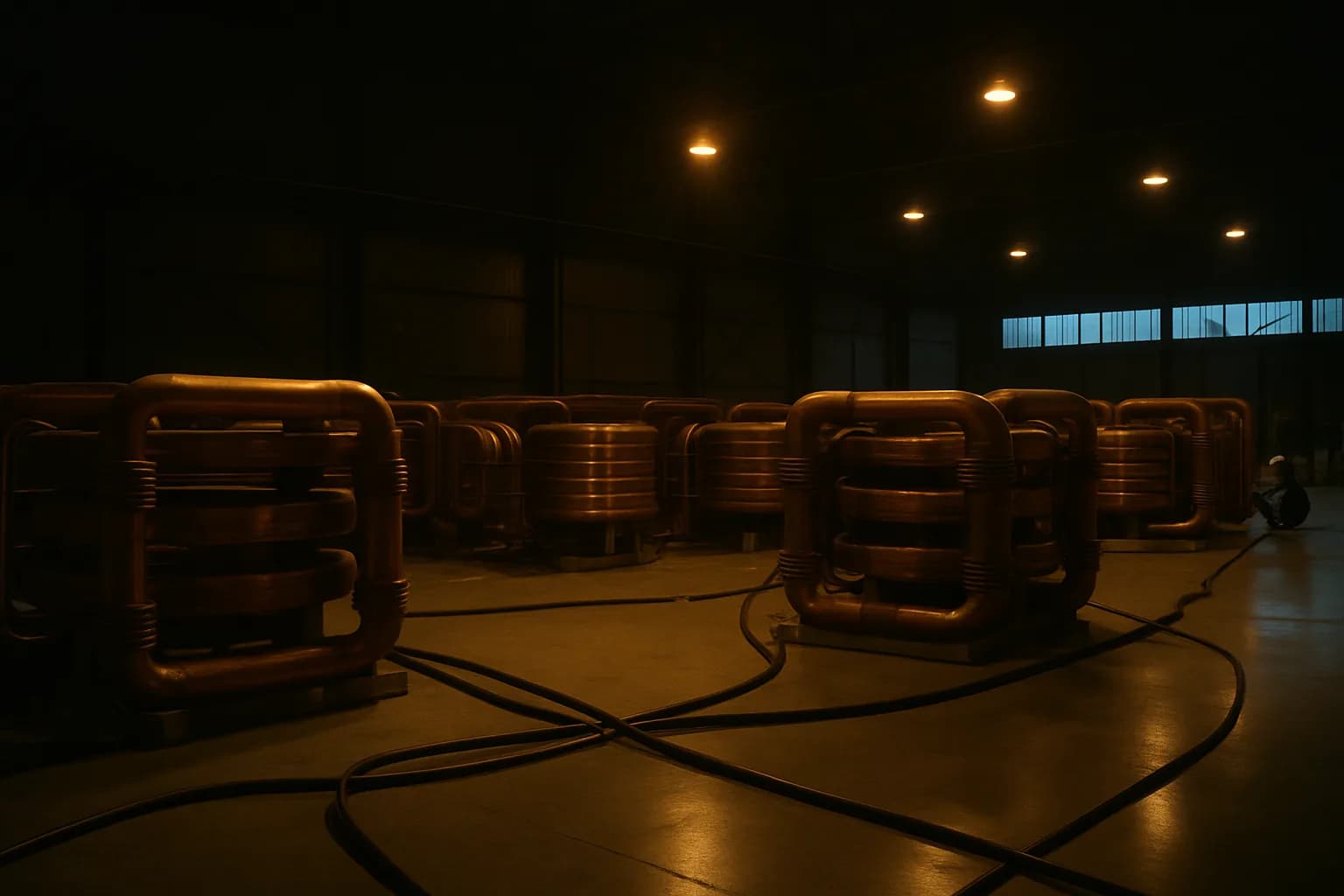
Helion's Polaris prototype reached 150 million degrees Celsius on February 13, demonstrating measurable deuterium-tritium fusion and becoming the first private machine to do so.
The announcement mentioned nothing about net electricity generation. That milestone was on Helion's roadmap for 2024, then reset to 2025; neither year produced an announcement.
Under a May 2023 power purchase agreement, Helion must deliver at least 50 megawatts to Microsoft by 2028. Penalty terms are not publicly disclosed; Kirtley's own description, made at signing, was "significant monetary penalties if Helion does not meet its obligation." No dollar figure or clawback structure is in the public record.
The commercial machine, Orion, is under construction in Malaga, Washington, 130 miles east of Polaris in Everett. Orion is the Microsoft deliverable; Polaris is the proof it depends on. Helion broke ground in July 2025 and has published no construction schedule.
On February 13, Kirtley described the 2028 goal to Fortune as "an aggressive milestone. It's going to be hard." In a TechCrunch interview that same day, he sidestepped a question about scientific breakeven, saying Helion "focuses on the electricity piece" rather than "pure scientific milestones." Net electricity from Polaris is that piece.
What the Hiring Record Shows
Helion is recruiting a Director of Experimental Science and a Principal Experimental Scientist for radio frequency systems. A Senior Training Program Manager posting calls for building programs for "Helion's R&D team," a designation absent from commercial power plant staffing.
In April 2026, Helion awarded $4 million across 25 proposals through its HERCULES external research program. Funded topics include tritium handling and separation, material degradation under neutron bombardment, and radiation-hardened ceramics. Phase 2 grants run up to 24 months, covering research through April 2028.
Helion is a private company and files no financial statements. Its 491 employees as of March 2026, up 42% in one year, are predominantly engineers. At the $142,000 median base Glassdoor reports for Helion engineers, fully loaded payroll runs roughly $90 million annually before construction or materials costs.
The $425 million Series F that Lightspeed Venture Partners led in January 2025 is the relevant cash clock; the $17 million HERCULES commitment and Orion's build are drawing against it.
The grant calendar closes off the comfortable reading of Helion's February announcement. Paying outside researchers through April 2028 to solve tritium and materials challenges leaves Orion's engineers with those answers in the same month the Microsoft contract requires first power.
Net electricity from Polaris is the last near-term result that keeps any engineering margin alive for 2028. Watch for that announcement before year-end; anything past December shifts the contract from an engineering target to what Kirtley himself called "significant monetary penalties" becoming due.