Tech
EGS at $7,000 a Kilowatt. Fervo's IPO Priced a $3,000 Bet.
Fervo Energy's May 13 IPO priced the company at $10 billion on a cost-reduction thesis that Cape Station's 100-megawatt Phase 1 has not yet confirmed.
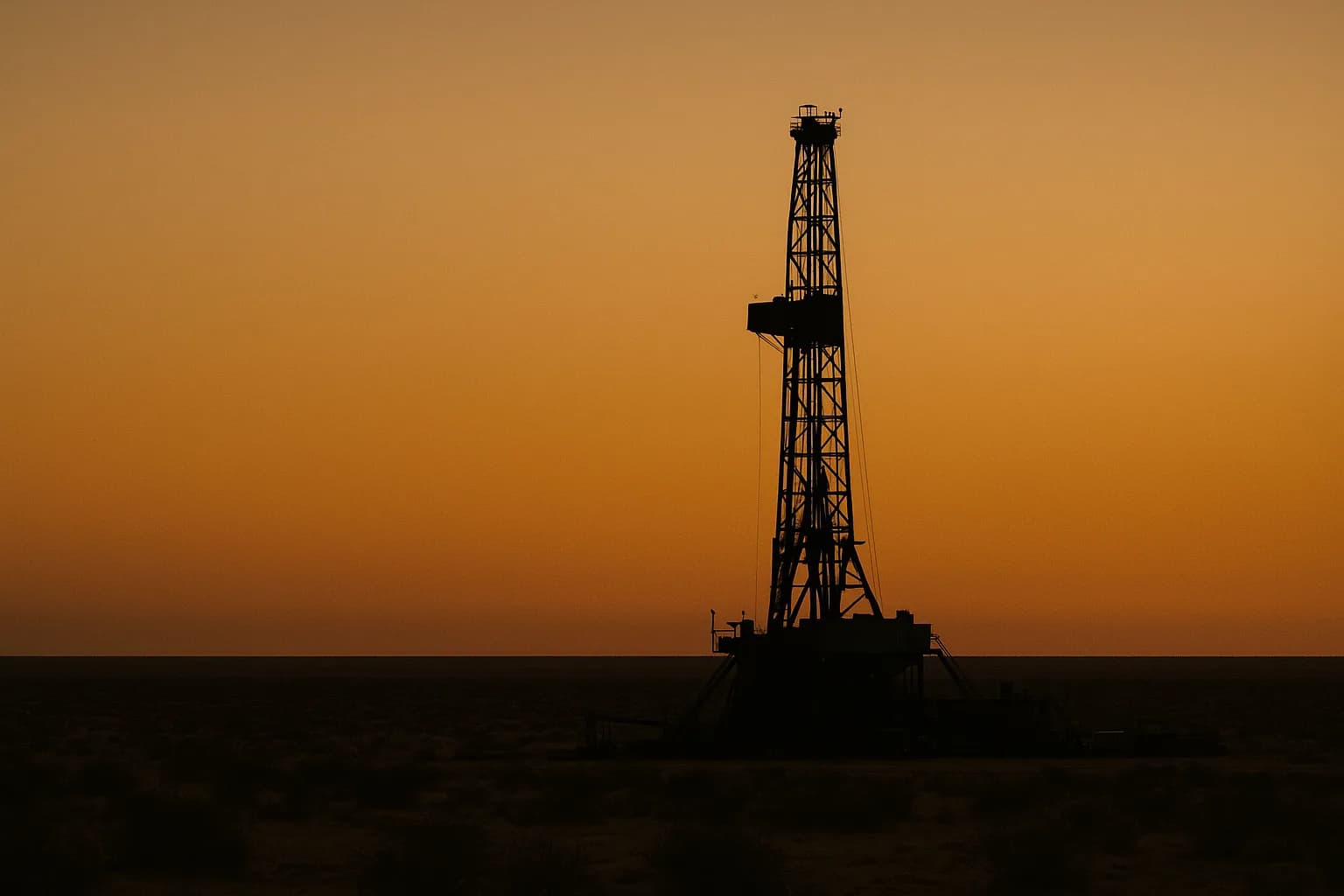
Fervo Energy priced its IPO at $27 on May 13, raised $1.89 billion, and watched FRVO close its first trading day at $36.54 on the Nasdaq.
The 35 percent premium arrived on a project that has not yet delivered a kilowatt-hour to the grid. Phase 1 of Cape Station, in Beaver County, Utah, is rated at 100 megawatts, with first power expected in late 2026. Fervo stacked $421 million in non-recourse project financing and a $462 million Series E before the offering.
BLM's Cedar City Field Office approved the Cape project on October 8, 2024 under a categorical NEPA exclusion, clearing the path for up to 2 gigawatts on 631 acres in Beaver County.
The Well
Each production well at Cape Station descends 10,000 feet vertically, then extends horizontally for another 7,500 feet, reaching rock above 400 degrees Fahrenheit. The formation at that depth carries no commercial-grade natural permeability. Fervo hydraulically fractures the rock and monitors fluid flow with distributed fiber-optic sensors, engineering the permeability that a conventional hydrothermal installation inherits from geology at a fraction of that depth.
DeGolyer and MacNaughton, the petroleum reserve assessor, independently verified Fervo's thermal recovery factor at 50 to 60 percent. Conventional hydrothermal plants draw from naturally fractured brine or steam at shallower depths. A 2021 Frontiers study reviewing international recovery-factor methodologies puts the conventional range at 5 to 20 percent; field estimates by GeothermEX center near 11 percent.
Fervo's fastest Cape Station production well drilled in 21 days, a 70 percent reduction from the 2022 baseline at Project Red. The Sugarloaf appraisal well, taken to 15,765 feet in June 2025, completed in 16 days, beating the DOE baseline for ultradeep geothermal by 79 percent.
The Cost Gap
Fervo's S-1 puts Cape Station's capital cost at $7,000 per kilowatt, a figure the filing compares to the Department of Energy's estimate of $6,000 to $10,000 per kilowatt for nuclear. The filing targets $5,500 per kilowatt by end of 2026 and $3,000 per kilowatt in the medium term. The National Laboratory of the Rockies 2025 Geothermal Market Report put current EGS levelized costs at roughly $140 per megawatt-hour and projected a decline to $100 per megawatt-hour by 2035.
The Offtakers
Southern California Edison contracted for 320 megawatts of Cape Station output. Shell Energy, NV Energy, and Google hold additional agreements, with Google's framework carrying right-of-first-refusal on up to 3 gigawatts of Fervo capacity through March 2028.
Total binding PPAs at IPO: 658 megawatts, worth more than $7 billion in projected revenue. Cape Station's two announced phases sum to 500 megawatts; the remaining 158 MW draws on additional phases within the 2 GW BLM-approved ceiling, permitted but not yet capitalized.
FRVO closed May 13 at a market cap of roughly $10 billion.
The gap between $7,000 and $3,000 per kilowatt exposes the 658 MW PPA book to one risk: whether Sugarloaf's drilling gains transfer to a buildout spanning funded and unfunded phases. Phase 1 is the first commercial proof.
The EIA's Q1 2027 generator survey will record Cape Station Phase 1's delivered output against Fervo's 100-megawatt rating. Sustained output short of that target would revise the cost-curve thesis before Fervo files its second quarterly report as a public company.