Tech
Nine Banks Agreed to Finance the Rock Fervo Had to Fracture First
Fervo Energy closed $421 million in non-recourse project financing for Cape Station in March 2026, the first such deal for an enhanced geothermal project. The key to the close was a reserves certification written in oil-and-gas language.
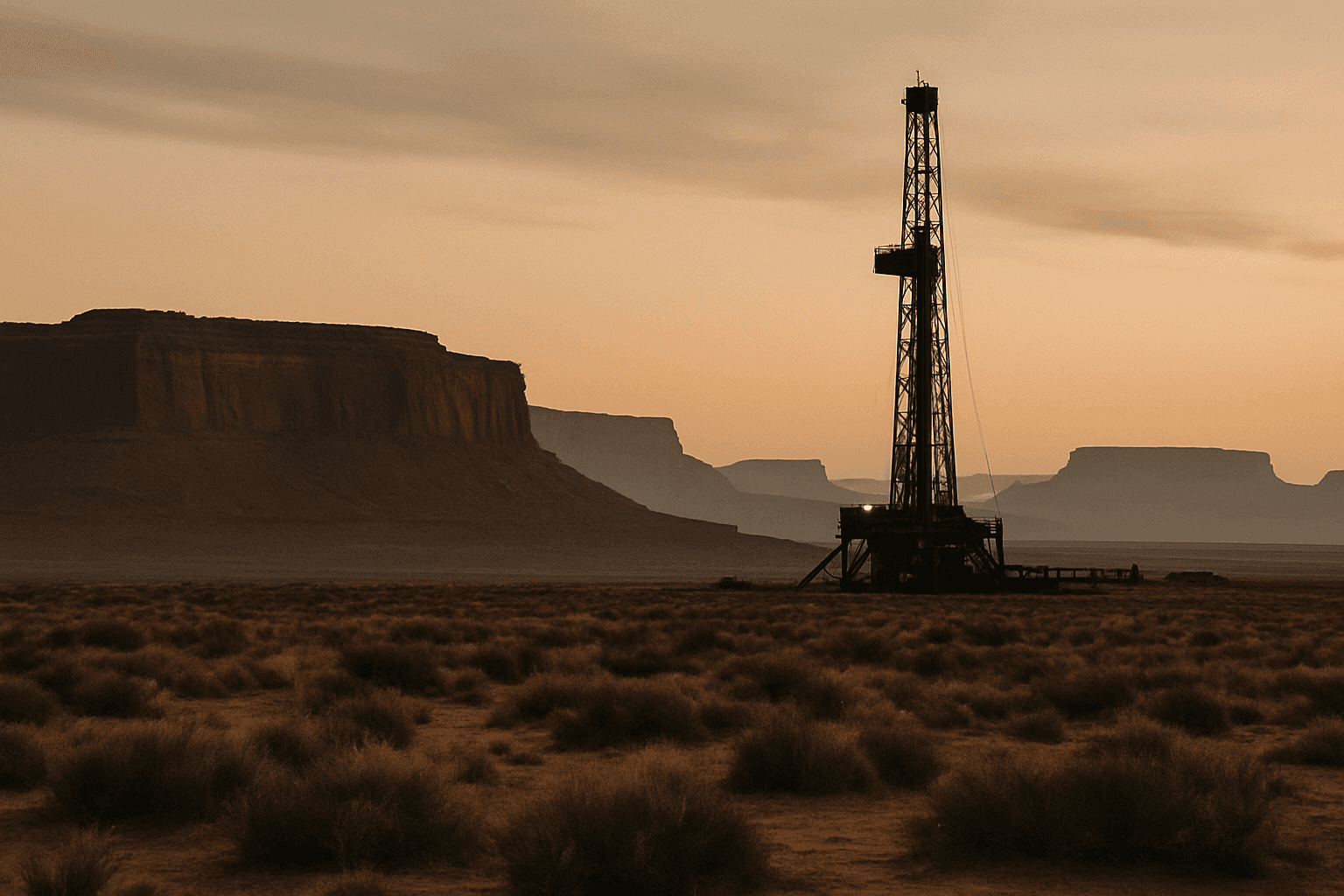
Fervo Energy closed $421 million in non-recourse project financing for Cape Station on March 19, the first such deal for construction-to-term lenders in enhanced geothermal.
Six banks led the deal: Barclays, BBVA, HSBC, MUFG, RBC, and Societe Generale. Bank of America, J.P. Morgan, and Sumitomo Mitsui Trust Bank participated. The $421 million breaks into a $309 million construction-to-term loan, a $61 million tax credit bridge, and a $51 million letter-of-credit facility.
The Project
Cape Station covers 631 acres in Beaver County, Utah. The project holds 400 megawatts of power purchase agreements: 320 megawatts with Southern California Edison, 31 megawatts with Shell Energy North America, and the remainder with community choice aggregators. Phase 1 targets roughly 100 megawatts by early 2027; Phase 2 adds 400 more by 2028.
The Bureau of Land Management completed its NEPA review in October 2024; the site carries a 2-gigawatt BLM lease footprint.
Conventional geothermal draws from naturally permeable hydrothermal systems; Cape Station's crystalline basement has neither hydrothermal permeability nor a hydrocarbon column. A conventional well drilled to 15,000 feet in the same rock class would be a geologically certain dry hole. Fervo drills horizontal wells into the formation, fractures it hydraulically, then circulates water to mine heat.
The Well
Fervo's Sugarloaf appraisal well, announced June 10, 2025, reached a true vertical depth of 15,765 feet, projecting a bottomhole temperature of 520 degrees Fahrenheit after thermal equilibration. Fervo completed it in 16 drilling days. The company cites a 79 percent improvement over the DOE's ultradeep geothermal baseline; no specific study is named in Fervo's announcement.
A 30-day production test at Cape Station achieved 107 kilograms per second at temperatures above 220 degrees Celsius, projecting above 10 megawatts per well. Project Red, Fervo's 2023 Nevada pilot, produced 3.5 megawatts per well during its own 30-day test. NREL's Annual Technology Baseline defines an "Advanced Technology" case for EGS with a 2035 target. Fervo's press release states the Cape Station test cleared that case more than a decade ahead of schedule.
DeGolyer and MacNaughton issued its first-ever reserves evaluation for an enhanced geothermal project on June 11, 2025. The firm confirmed thermal recovery factors of 50 to 60 percent at Cape Station using the Petroleum Resources Management System, the same framework it applies to hydrocarbon reserves.
The Risk Class
That certification is what the financing turned on. Nine institution-grade lenders priced Cape Station as infrastructure once a reserves evaluator they already knew how to read confirmed the resource was there. When MUFG and J.P. Morgan accept construction exposure on a first-of-a-kind EGS project, the cost of capital floor for the next one shifts.
The nine-bank close reveals that technology risk is no longer the primary obstacle for EGS financing. Resource documentation is.
Phase 1 is targeting first delivery late this year. Phase 2 aims for 400 additional megawatts by 2028 and carries no announced project financing yet. That raise is the next test of whether the reserves certification framework travels to a project with less production history.