Business
5.046%: The Yield the Dollar Won't Follow
The US Treasury cleared its 30-year auction at 5.046% on May 13, the highest since 2007, while the dollar index stalled at 99. The Fed cannot reopen Hormuz.
The US Treasury sold $25 billion of 30-year bonds on May 13 at 5.046%, the first 30-year auction to clear above 5% since August 2007.
April CPI landed at 3.8% year-over-year on May 12, a 0.1-point beat against the Dow Jones consensus, and the hottest print since May 2023. PPI followed at 6.0% the next morning against a 4.9% consensus. Energy drove both.
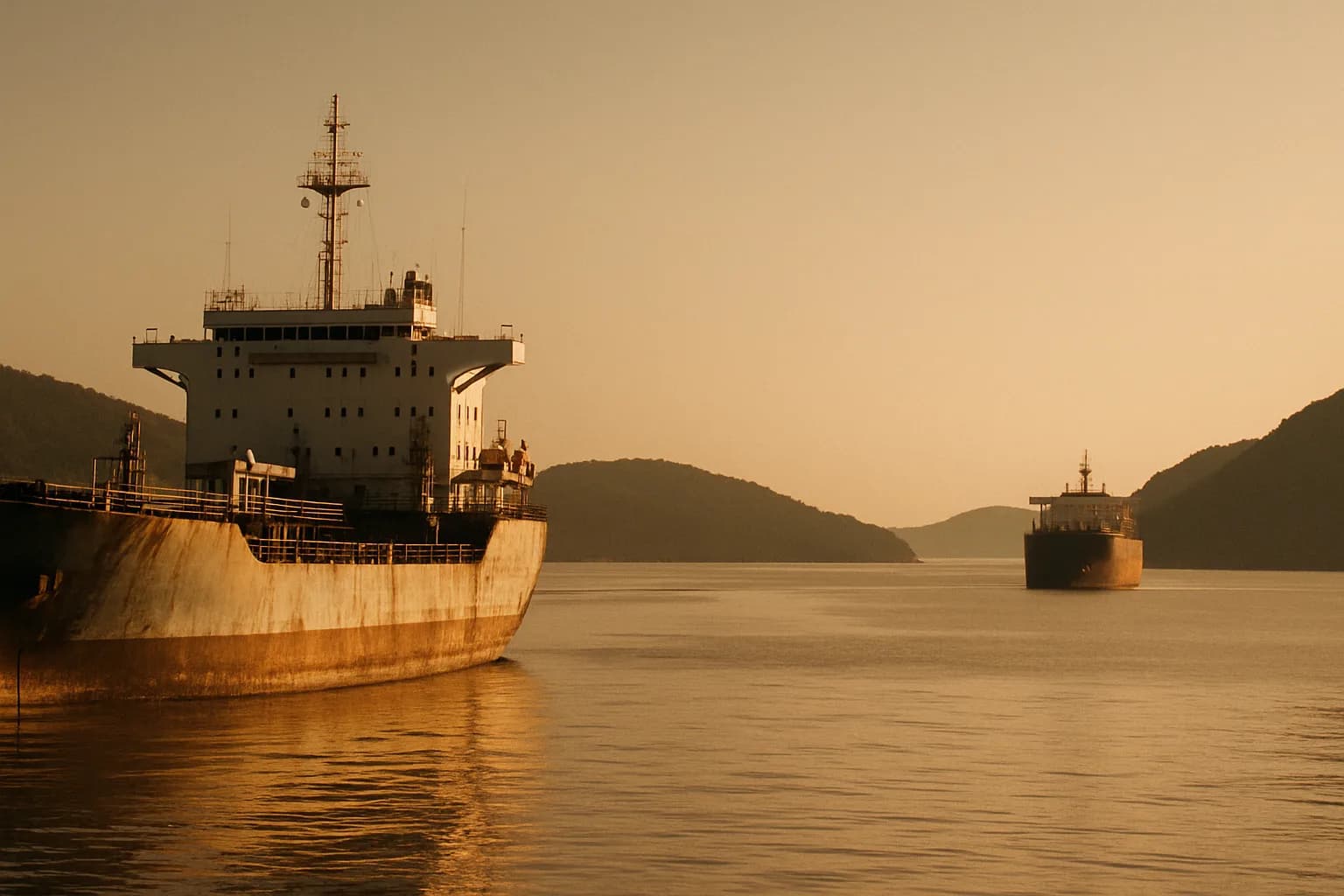
US and Israeli airstrikes on February 28 killed Iran's supreme leader and triggered an IRGC Hormuz blockade by March 4, sending oil contracts up roughly 45%. Gasoline rose 28.4%, fuel oil 54.3% in the April basket, the supply shock from the Gulf feeding through from Q1 to April CPI. Pakistan-mediated talks continue as of May 22, with Iran reviewing the latest US proposal and no resolution date set.
What bonds priced
Bond investors followed the textbook. The 10-year yield spiked to 4.60%. The 30-year reached 5.12% in secondary trading before the auction locked in 5.046%.
Goldman Sachs delayed its expected first rate cut to December 2026 on May 8, citing Iran war energy inflation. Futures, after the PPI print, had moved further: roughly a 51% probability of a rate hike by December, with March 2027 above 71%.
What the dollar did not
The DXY sat at 99. It has been locked between 96 and 100 since early April's tariff shock, a range that has held despite back-to-back multi-year inflation highs. When the 30-year last touched 5% in secondary markets in October 2023, the DXY was trading above 106.
DBS flagged the gap on May 20. The bank called the DXY's stall a sign of "deep structural shifts" in markets' perception of US macroeconomic policy, citing fiscal deficits, supply-side inflation, and exhausted consumer buffers.
The divergence between bond and FX markets changes the math on one simple claim: that a Fed hike can address this inflation. The Fed controls borrowing costs. It does not control which ships can pass through which water.
The next 30-year auction is in August. Saudi Aramco's CEO counted roughly 600 tankers stranded inside the Persian Gulf on May 11, with another 240 waiting outside. A buyer who locked in 5.046% on May 13 needs the strait to reopen before August to be on the right side of that trade.