World
Commerce Cleared H200s for China. None Have Shipped.
Commerce cleared ten China-based buyers for Nvidia H200 chips at 75,000 units each. Not one has shipped: Nvidia owes the U.S. Treasury 25% of revenue on every sale, passes the cost to Chinese buyers, and Beijing's customs block arrived the day those terms published.
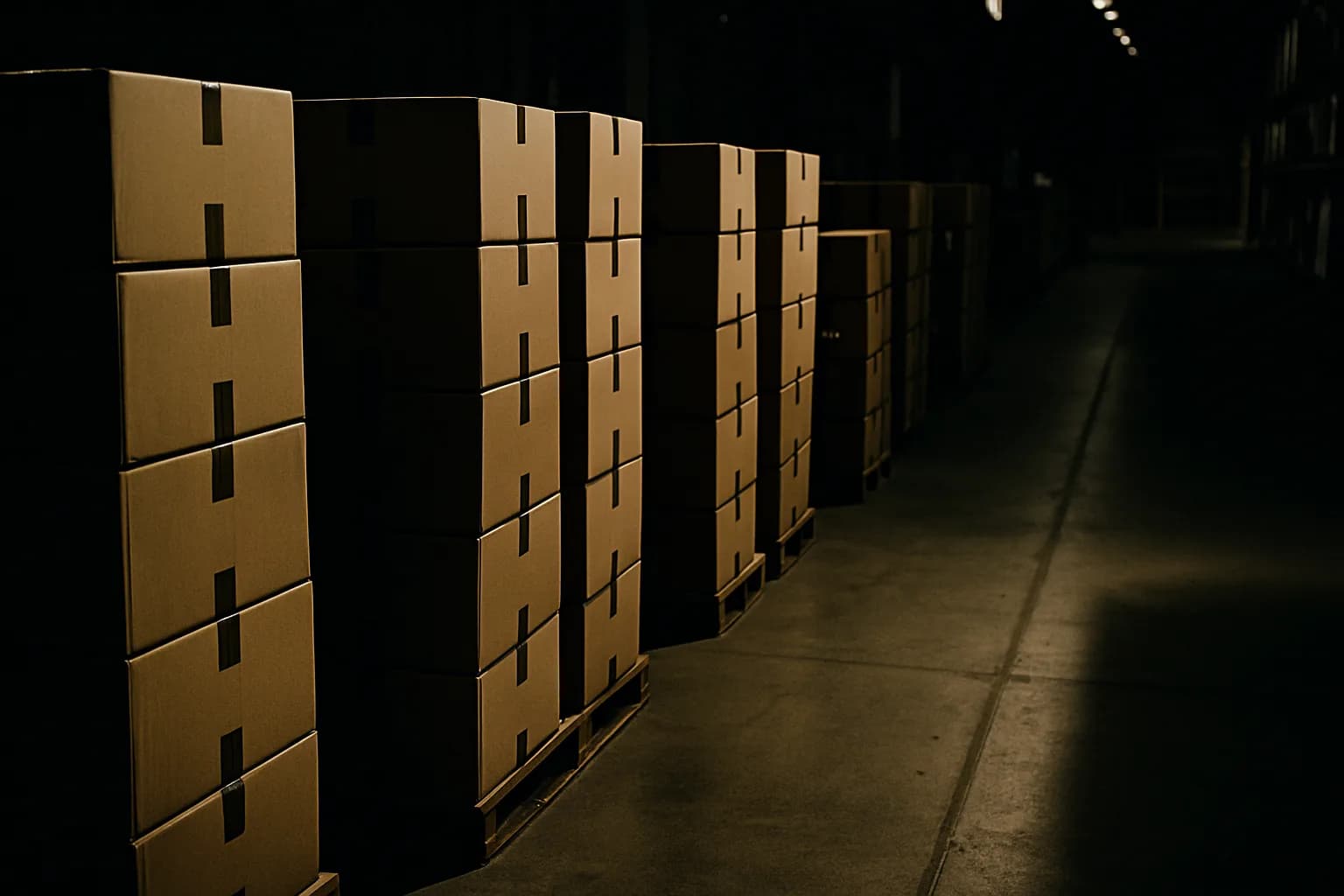
The U.S. Commerce Department cleared ten companies to buy Nvidia H200 chips in mid-May, capping each buyer at 75,000 units. Mainland end-users Alibaba, Tencent, ByteDance, and JD.com were among those named; Lenovo and Hon Hai, the Taiwan-based contract manufacturer, were approved as distributors. Not a single chip has shipped.
Each sale carries a 25% levy on Nvidia's revenue, routed to the U.S. Treasury. Chips must transit American soil before shipment to China, because U.S. law bars fees tied to export licenses; the levy is collected in transit. Reuters sources suggested Nvidia would pass most of the cost to Chinese buyers, putting the surcharge on each 75,000-unit order at hundreds of millions of dollars.
Chinese customs blocked H200 clearances on January 14, 2026, one day after BIS published those tariff terms, per Investing.com citing three briefed sources. Commerce Secretary Lutnick told Congress Beijing was steering buyers toward Huawei. Huawei has product to promote: 600,000 Ascend 910C chips planned for 2026, roughly double 2025 output; the 910C trails the H200 in both raw throughput and memory bandwidth, which is where Huawei's case for the block runs out.
Nvidia's China revenue has fallen from 26% of total sales in fiscal 2022 to roughly 5% today. When BIS banned the lower-spec H20 chip in April 2025, Nvidia booked approximately $5.5 billion in charges on committed inventory. KeyBanc estimates H200 access to China would represent $14 billion in annual revenue.
H200 chips are classified under ECCN 3A090.a, the advanced-computing category requiring an export license for China-bound shipments. BIS shifted its review standard from presumption of denial to case-by-case in January 2026. China's April 7 supply-chain security regulations and April 13 counter-extraterritoriality rules mean complying with U.S. controls can simultaneously trigger Chinese government penalties.
The workaround runs offshore. Asia Times reported, citing the Financial Times and Wall Street Journal, that Alibaba and ByteDance are training AI models in Southeast Asian data centers. One documented case from March: four Chinese engineers flew to Kuala Lumpur with hard drives of training data and rented roughly 300 Nvidia servers at a Malaysian facility.
Compute by the hour leaves no hardware on Chinese soil and costs more per unit than ownership. Jensen Huang joined Trump's May 14 Beijing delegation seeking State Council clearance for H200 deliveries alongside a reciprocal easing of China's rare-earth curbs on gallium.
The customs block closes off an assumption the U.S. export framework has always carried: that the exporting government's denial is the binding constraint on delivery. Beijing's January 14 directive established a matching block at the demand end. For Chinese cloud firms holding U.S.-approved licenses, the standoff has simple geometry: two governments, two veto points, and only one is at the table with Huang.
Nvidia reports fiscal Q1 2027 results in coming weeks. A China line still near 5% with zero H200 deliveries will price the standoff in one filing: the $14 billion KeyBanc says is sitting behind the block.