World
China Left Its Olympic Foreigner Tracker on the Web
Hebei Province's 'Dynamic Control Platform for Foreigners' was built for the 2022 Zhangjiakou ski events and is still receiving updates. The researcher who found the government prototype on an open server discovered his own file inside, labeled 'trackable.'
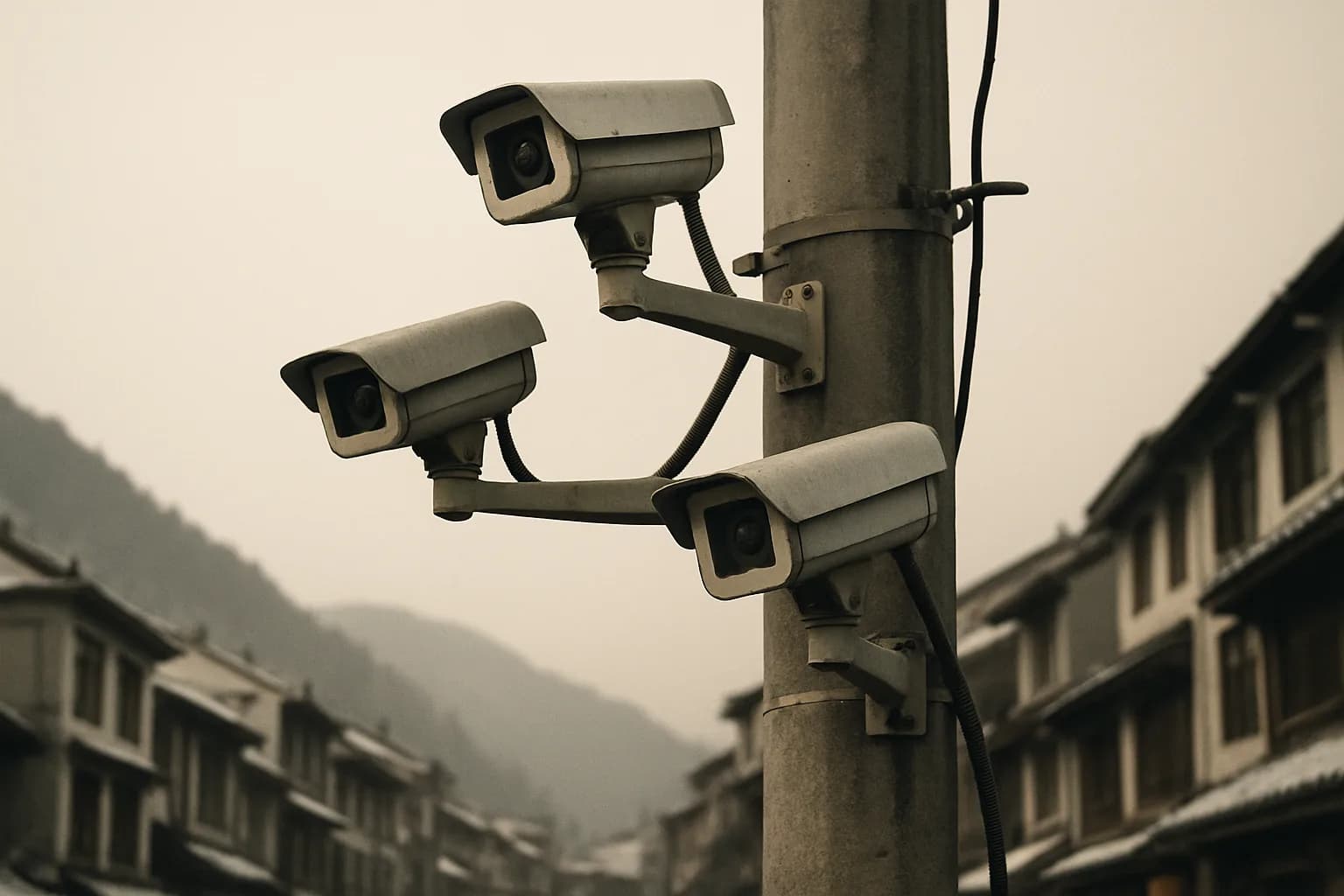
Hebei Province built a foreigner-tracking platform for the 2022 Winter Olympics and left a government prototype exposed on an open server for years.
The system is called the "Dynamic Control Platform for Foreigners." It consolidates visa records, travel booking data, and camera feeds from within Hebei's surveillance network. A relational mapping tool builds on that data to visualize each flagged person's contacts and movement history.
Marc Hofer, a cybersecurity researcher who previously worked as a foreign journalist in Beijing, discovered the open server in January 2026. The platform ingests travel booking data alongside local camera feeds; Hebei wraps Beijing on three sides, placing Beijing-based travelers inside its reach. Hofer found his own file in the system, labeled "trackable," and shared his findings with The Telegraph in May.
Whether the exposed server is a prototype staging environment or a node of a live system remains unclear. Real movement records are in it regardless.
A separate individual's file logged 78 appearances at a single street intersection and nine visits to a local grocery store. Subway gate entries, housing compound access logs, and ski-lift attendance fill out the record. Two people logged near the same location generate a network edge in the relational map, linking their files whether or not direct contact was recorded.
The platform assigns foreigners to discrete watch categories. Five Eyes nationals, Russians, Ukrainians, Belarusians, foreign journalists, and foreign spouses of Chinese citizens each carry separate classifications. Hofer described the journalist classification as treating reporters like "just another actor in this big game of controlling the narrative."
The Olympic Build
Copyright markings date the system to around 2021. Zhangjiakou hosted the February 2022 ski and snowboard events, drawing athletes and officials from 91 nations. New features were still being added as of April 2026.
A 2025 procurement tender from Shanghai's Putao district public security bureau allocated roughly $200,000 for a comparable "Holistic Personnel Archive System." Wansi Information Technology, a regular Ministry of Public Security contractor, won the award.
For any foreign journalist working in China, the watch-category list means the classification is not pegged to threat level. It tracks category, fixed at entry. Every foreigner in the system carries "trackable" as the baseline.
The Zhangjiakou prototype is still accessible and still receiving updates. Provincial-scale versions of the same architecture, if tendered elsewhere, would appear at ccgp.gov.cn, China's public procurement portal, which runs current to the week.