Tech
The McLane Pilot Ran More Miles Than Aurora's Network
McLane cleared the Dallas-Houston lane for commercial driverless operations on May 6, after a three-year pilot that accumulated more miles than Aurora's whole commercial network had run. No federal rule set the bar.
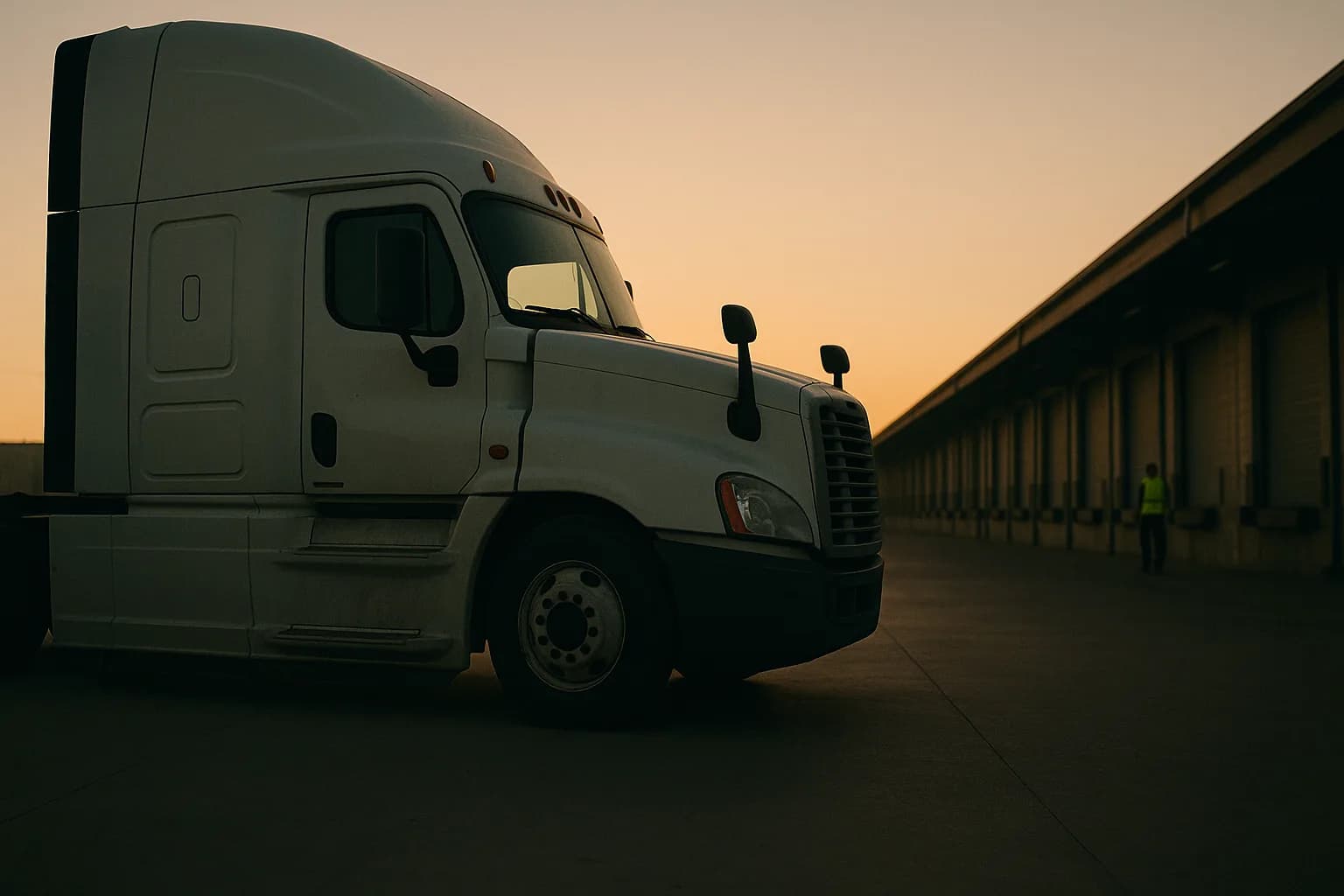
McLane authorized commercial driverless operations on its Dallas-Houston lane on May 6, capping a three-year supervised pilot with no collisions and 1,400 loads delivered. The Berkshire Hathaway subsidiary stocks restaurant chains at more than 80 U.S. distribution centers.
An observer still rides in the cab. Paccar, the OEM, requested it because prototype parts remain in the vehicles; the observer never operates the truck.
That 280,000-mile figure has a context the announcement skips. As of January 2026, Aurora's entire commercial driverless network (Hirschbach, Werner, and Uber Freight, running since the April 2025 launch) had accumulated 250,000 miles. A single supervised pilot lane had logged more. By April 2026, the commercial network crossed 370,000 driverless miles; McLane joined as customer seven the week after.
McLane is Aurora's seventh commercial customer. Customers four through six include Detmar and Volvo Autonomous Solutions, which started supervised deliveries on a Dallas-Oklahoma City route in the same period; one slot in Aurora's public filings carries no name.
Seven Customers, a Handful of Trucks
Aurora owned roughly 25 trucks as of Q1 2026, most in various stages of upfit. About a handful were running driverlessly across those seven customers, CEO Christopher Urmson said on the Q1 earnings call. Q1 revenue totaled $1 million, up 10% sequentially; full-year guidance is $14-16 million, targeting more than 200 trucks at an $80 million run-rate by year-end.
Werner trucks under the Aurora Driver average more than 4,000 miles per week, an annualized rate near 225,000 miles per truck per year. A human driver under federal hours-of-service rules tops out near 3,300.
McLane's clearance exposes a structuring problem that will outlast this lane. FMCSA's voluntary framework sets no mileage floor; the 280,000 miles accumulated because a business relationship ran for three years, not because a regulator had drawn a line. The next carrier making the same transition will cite McLane's precedent.
Next Hardware Generation
Aurora's second-generation kit, launching on International LT Series trucks in Q2 2026, is built for one million miles and priced more than 50% below current hardware cost. The International LT agreement carries no observer requirement, because the prototype-parts condition is specific to Paccar's vehicles.
Watch the Q2 International LT launch. If second-gen hardware slips, Aurora's 200-truck target still carries observers. The $80 million run-rate is built for a world where it does not.