Tech
The IBM Trap Nadella Named and Then Funded for Four Years
Two 2022 Nadella emails in evidence in 4:24-cv-04722 show a CEO who named Microsoft's OpenAI dependency as an IBM-style trap before signing. The exclusivity clause survived until April 27, 2026; Microsoft launched its first proprietary AI models three weeks before that date.
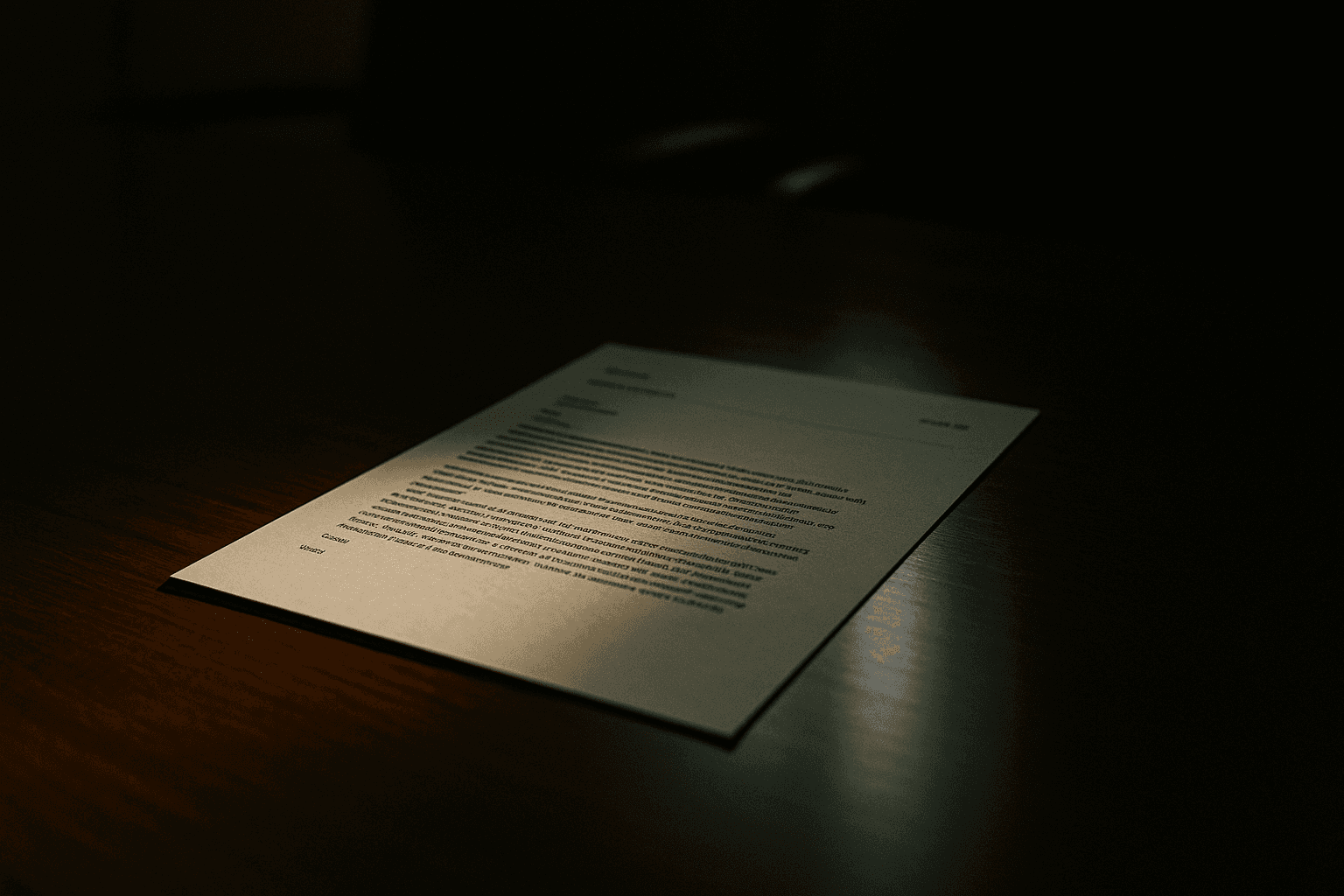
Two Nadella emails entered evidence in Musk v. Altman, case 4:24-cv-04722, U.S. District Court, Oakland, before Judge Yvonne Gonzalez Rogers, the week of May 11. Written in 2022, months before the deal closed, each documents a CEO who had named the OpenAI dependency as a structural risk before accepting the terms.
The April email put it plainly: "I don't want to be IBM and have OpenAI be Microsoft." The July email: "Better to be an investor and not even take all this execution risk!" Six months later, Microsoft committed roughly $10 billion more to OpenAI.
What Changed the Math
A January 2023 Microsoft board memo, now in the trial record, projected a $92 billion return on the partnership, with a 20 percent annual escalator beginning in 2025.
On the stand on May 11, Nadella testified that the company had been "outsourcing essentially a lot of the core IP development and taking a massive dependency on OpenAI." By the end of 2025, 45 percent of Microsoft's commercial remaining performance obligations were tied to that single vendor. Michael Wetter, a Microsoft corporate development executive who testified by video deposition, put the cumulative total at over $100 billion in investment, infrastructure, and hosting costs.
The Exit
OpenAI's October 2025 restructuring to a for-profit public benefit corporation started loosening the terms: non-API products could ship on other clouds, but API access remained Azure-exclusive. The exclusivity finally ended on April 27, 2026, when an amendment converted Microsoft's IP license to non-exclusive through 2032 and capped OpenAI's revenue-share payments to Microsoft through 2030.
On April 2, three weeks before the amendment, Microsoft AI CEO Mustafa Suleyman announced MAI-Transcribe-1, MAI-Voice-1, and MAI-Image-2. He declared that Microsoft "must develop its own cutting-edge foundational models" with gigawatt-scale compute. The proprietary push came while the exclusivity clause was still in force.
The 2022 emails reframe the seven-year investment as a trap Nadella named, priced at $92 billion in projected returns, and walked through anyway.
OpenAI's revenue-share payments to Microsoft stop in 2030. If Microsoft's own models reach frontier grade before that date, the IBM scenario Nadella named in April 2022 will have been answered on its own terms.